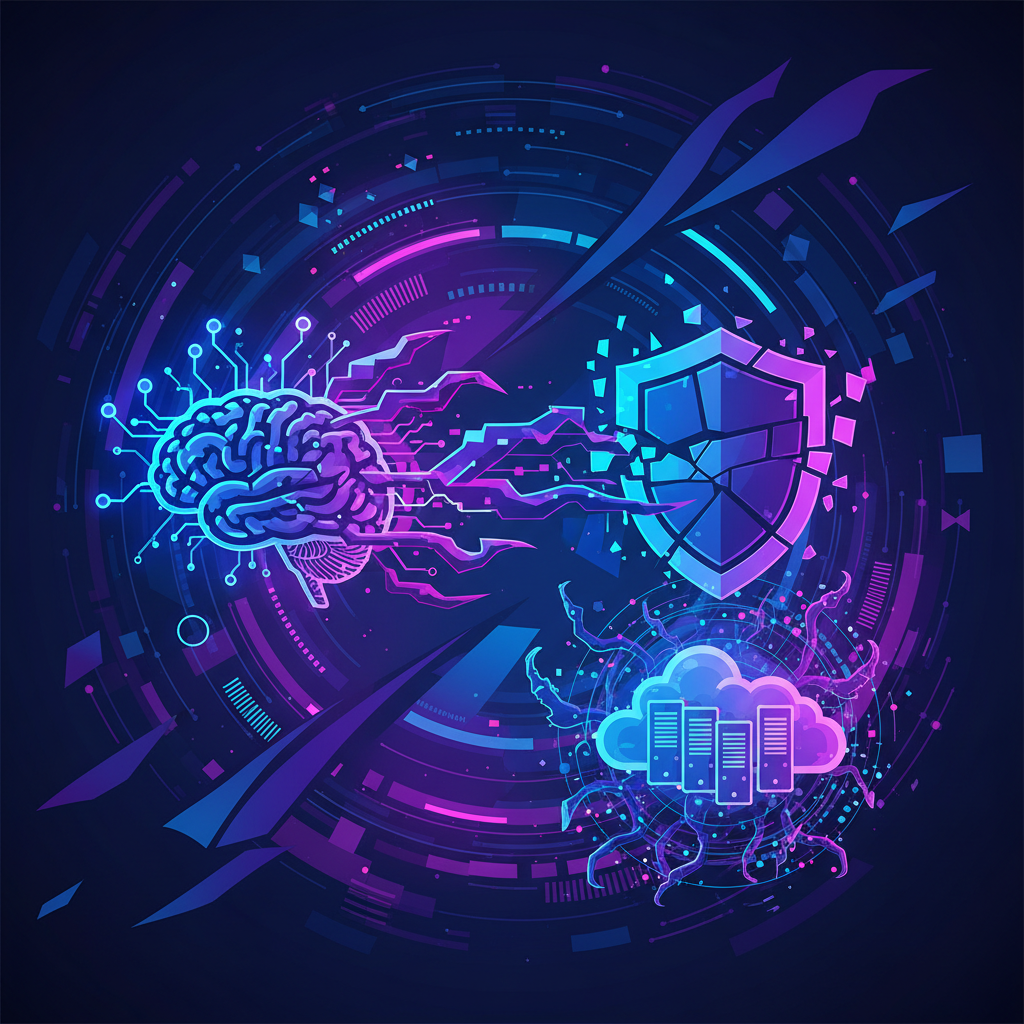
The landscape of cyber threats is evolving at an unprecedented pace, fueled by the democratization of sophisticated tools and methodologies. A particularly alarming development is the emergence of "AI-as-a-service" (AIaaS) in the illicit marketplace, making advanced cyberattack capabilities accessible to a broader range of malicious actors. This paradigm shift, often termed a "democratization of evil," necessitates a re-evaluation of current cybersecurity strategies among technical professionals.
Historically, launching highly effective cyberattacks required significant technical expertise, resources, and time. However, the rise of AIaaS platforms—akin to legitimate cloud service models but for nefarious purposes—lowers this barrier significantly. These platforms offer pre-packaged, sophisticated AI tools for tasks such as automated phishing, advanced malware generation, social engineering at scale, and even autonomous network penetration. This not only amplifies the scale and speed of attacks but also empowers less skilled individuals to execute highly damaging campaigns.
One of the most concerning aspects is the potential for these services to be integrated into larger, more complex attack chains. Imagine an attacker subscribing to an AIaaS for generating highly convincing deepfake audio or video for social engineering, another for crafting polymorphic malware that evades traditional detection, and yet another for autonomously scanning and exploiting vulnerabilities. The synergy of these services could lead to multi-layered, adaptive, and highly resilient attacks that are difficult to anticipate and defend against.
For technical professionals in cybersecurity, this shift demands a proactive and adaptive approach. Reliance on signature-based detection and reactive defense mechanisms is increasingly insufficient. Instead, organizations must invest in AI-powered defense tools that can match the sophistication of AIaaS threats. This includes advanced behavioral analytics, anomaly detection, and real-time threat intelligence platforms capable of identifying novel attack patterns.
Furthermore, a deeper understanding of the adversarial AI landscape is crucial. Cybersecurity teams need to stay abreast of the latest developments in AI research, not just for defensive applications but also to anticipate how these technologies might be weaponized. This includes exploring techniques like explainable AI (XAI) to understand the decision-making processes of AI-driven attacks and developing robust adversarial training methods to fortify defensive AI models against evasion tactics.
Finally, the human element remains paramount. While AIaaS automates many aspects of an attack, social engineering and exploitation of human vulnerabilities continue to be critical entry points. Enhanced employee training on sophisticated phishing, deepfake recognition, and secure behavioral practices must complement technological defenses. The battle against AI-as-a-service cyberattacks will be a continuous arms race, demanding constant innovation, cross-industry collaboration, and a holistic security posture that integrates cutting-edge technology with strong human awareness.
365 Intelligence
Unraveling "AI-as-a-Service" Cyberattacks: A New Frontier in Cybersecurity Threats
March 14, 2026·Sentry365 News Team·2 min read