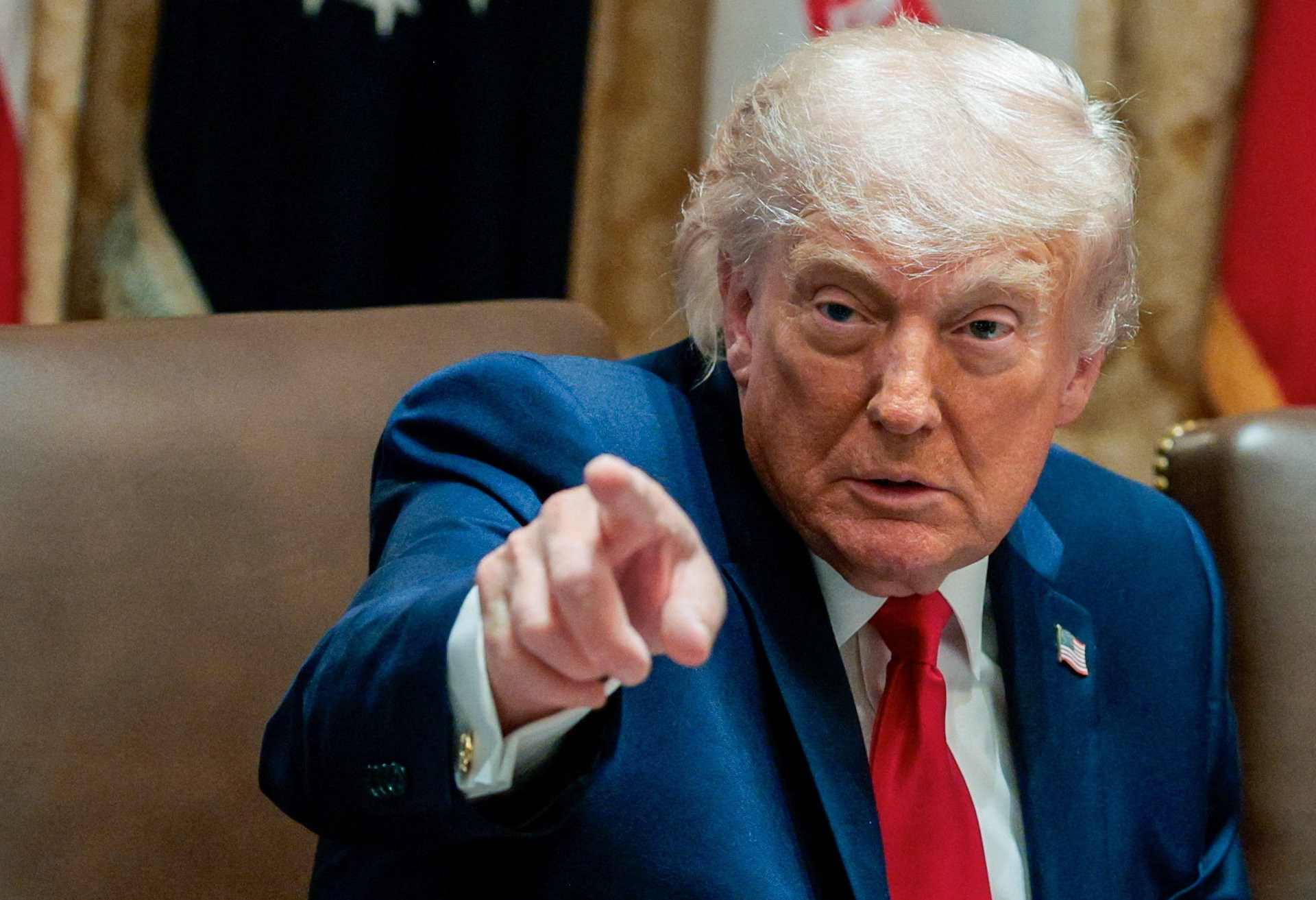
As the global community observes the 92nd day of the ongoing US-Iran conflict, a critical juncture has been reached in diplomatic efforts. Uncertainty shrouds the prospects of a lasting agreement, creating a complex geopolitical landscape that warrants careful attention from families, businesses, and governments alike. The delicate balance of international security hinges on the clarity and resolution of these high-stakes discussions.
From Washington, President Donald Trump has indicated his intention to make a 'final determination' regarding a potential deal with Iran. This statement signals a decisive moment for American foreign policy, implying that a comprehensive proposal or framework is under review at the highest levels. Such a determination would undoubtedly set the course for future engagement, potentially ushering in a new era of stability or, conversely, exacerbating existing tensions. For many, this move represents a long-awaited step towards de-escalation, yet its implications remain far-reaching.
In stark contrast, Iranian officials have been quick to emphasize that negotiations are 'continuing' and that 'no final agreement exists.' This assertion from Tehran introduces a significant layer of complexity. It suggests a divergence in perspective regarding the current stage of diplomatic progress. While President Trump's statement implies a near-finalized accord awaiting his approval, Iran's position indicates that substantial dialogue and potential modifications are still necessary before any document can be deemed complete. This difference in messaging highlights the intricate and often sensitive nature of international diplomacy, where nuances can carry profound weight.
This apparent disconnect between the two nations' statements is a critical element for understanding the path forward. Is it a strategic negotiating tactic, designed to exert pressure or manage domestic expectations? Or does it reflect genuine, unresolved issues that continue to impede a breakthrough? For families and middle-class citizens, such geopolitical uncertainties can have tangible, albeit indirect, impacts. Prolonged instability in key regions can affect global energy markets, supply chains, and even international travel advisories. Moreover, the broader implications for regional security and the safety of global communities underscore the necessity of a clear and sustainable resolution. Our collective peace often depends on the meticulous work of diplomats in navigating these complex, high-stakes scenarios.
As President Trump prepares his determination and Iranian officials maintain their stance on ongoing talks, the world remains in a state of watchful anticipation. The path to a lasting peace agreement is rarely straightforward, and the current situation between the US and Iran exemplifies this intricate reality. Understanding these dynamics is crucial for anyone seeking to make informed decisions in an interconnected world. We continue to monitor developments, advocating for transparency and the meticulous pursuit of solutions that prioritize global stability and security above all else.
365 Intelligence
Trump weighs next steps on Iran deal as Tehran insists negotiations are continuing and no final agreement exists.
As the US-Iran conflict enters its 92nd day, President Trump's forthcoming determination on a potential deal clashes with Iranian officials' insistence that negotiations are ongoing and no final agre…
May 31, 2026·Sentry365 News Team·2 min read