In a world increasingly connected, the stability of global trade routes is paramount, not just for international corporations, but for every family and business that relies on the steady flow of goods. This is especially true for the Strait of Hormuz, a critical maritime chokepoint through which a significant portion of the world's oil and gas transits.
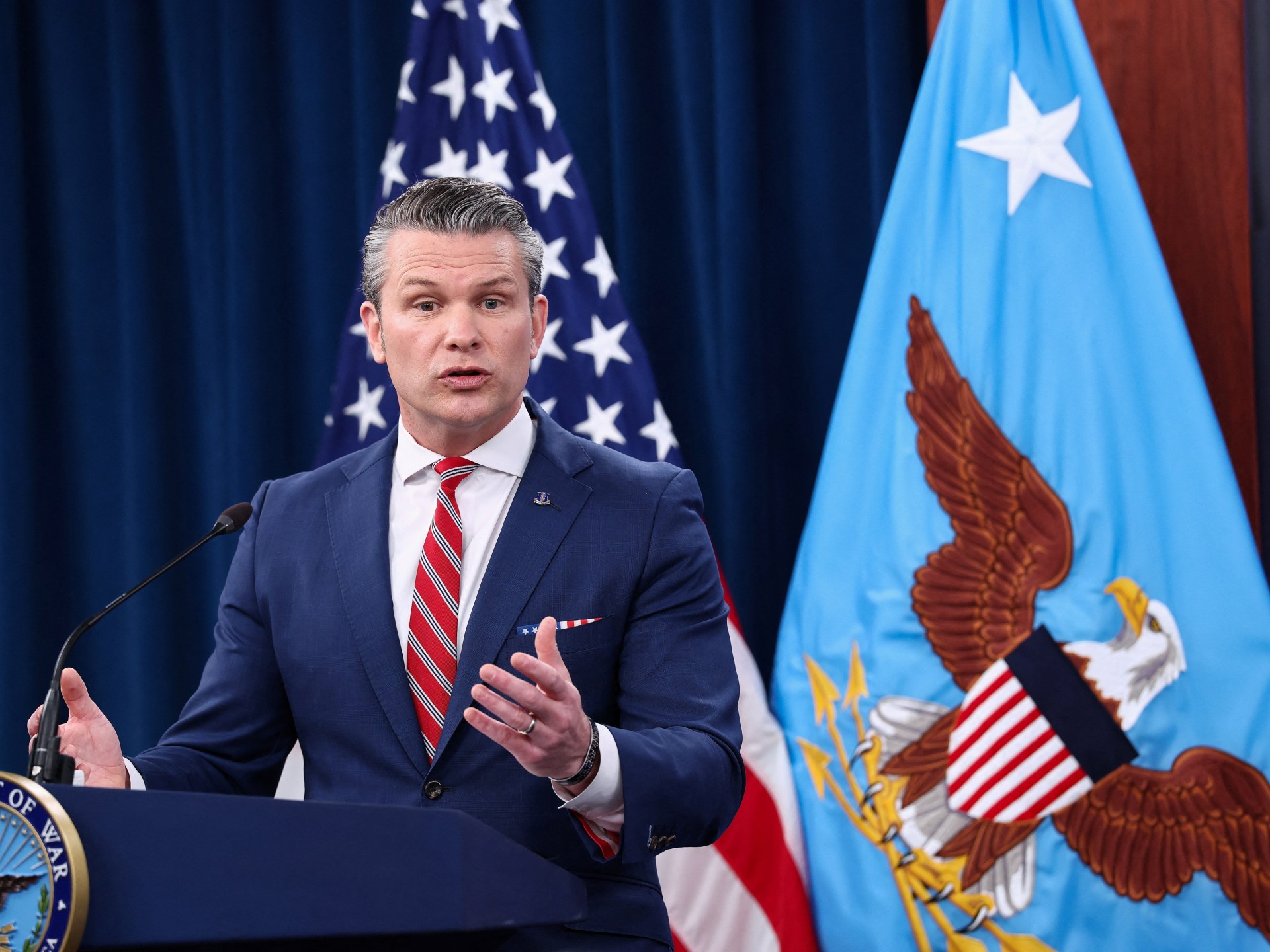
Recently, Pentagon chief Pete Hegseth, a key figure in the administration, confirmed that a delicate ceasefire between the United States and Iran continues to hold. This comes despite intermittent "bursts of military action" around the Strait, highlighting the persistent tensions in this strategically vital region. While these actions have not shattered the truce, they underscore the fragile nature of peace and the need for robust security measures.
The most significant development Hegseth disclosed is the establishment of what he termed a "security dome" designed to protect commercial shipping in the Strait. This isn't merely a metaphorical shield; it represents a sophisticated integration of advanced surveillance technologies, naval patrol assets, and rapid response capabilities. Think of it as a multi-layered defense system, leveraging everything from satellite imagery and drone reconnaissance to sophisticated radar systems and highly capable naval vessels, all working in concert to deter aggression and ensure the safety of vessels traversing these waters. This technological umbrella aims to provide real-time threat detection and intervention, safeguarding the flow of vital resources.
However, despite these formidable security assurances and the presence of advanced protective measures, a perplexing challenge persists: maritime traffic in the Strait of Hormuz remains stalled. This paradox reveals that security isn't solely about physical protection; it’s also about perception, confidence, and the intricate web of economic factors. Shipping companies and insurers, faced with lingering uncertainties and the potential for escalated risks, are exercising extreme caution. Increased insurance premiums, the operational costs of potential delays, and the psychological impact of ongoing tensions often lead to difficult decisions, including diverting vessels or suspending operations altogether.
The consequence for families and businesses can be tangible. Disruptions in the Strait of Hormuz ripple through global supply chains, affecting everything from energy prices at the pump to the cost of imported goods on store shelves. When a major artery of global commerce experiences blockages, the pulse of the international economy slows, potentially leading to higher costs for consumers and reduced market stability for businesses. Our daily lives are more intertwined with distant geopolitical events than we often realize.
The situation in the Strait of Hormuz serves as a powerful reminder of the continuous, evolving need for strategic security and technological innovation in safeguarding our global infrastructure. While the "security dome" represents a significant commitment to protection, the stalled traffic underscores that true security extends beyond military might, encompassing economic confidence and a stable geopolitical environment. As we navigate these complex waters, vigilance, diplomacy, and the ongoing development of advanced security solutions remain critical to ensuring peace and prosperity for all.
365 Intelligence
Trump aide says the US has established a security 'dome' for ships over Hormuz, but traffic in strait remains stalled.
Despite a US-established security 'dome' over the Strait of Hormuz, maritime traffic remains stalled due to ongoing tensions and bursts of military action, impacting global trade and daily life.
May 7, 2026·Sentry365 News Team·2 min read