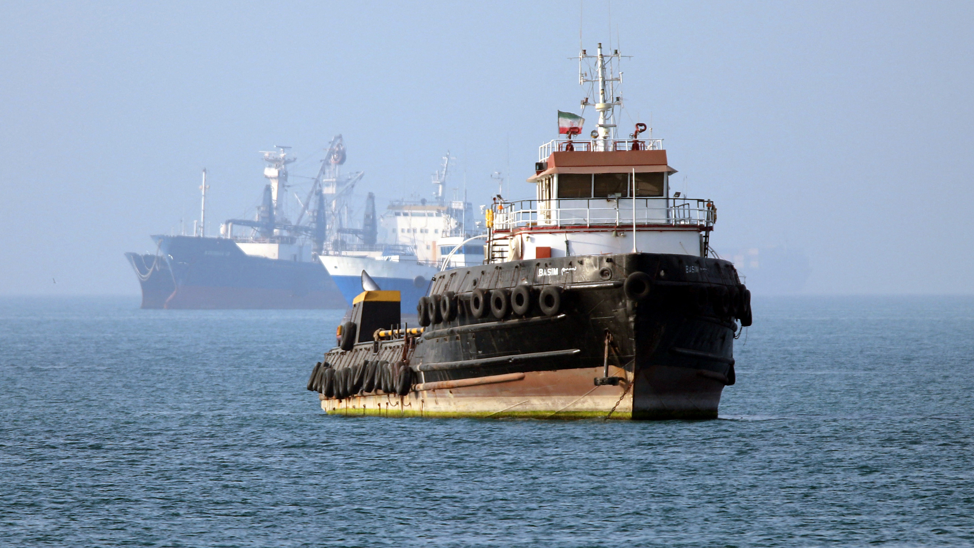
Recent developments in the Persian Gulf have brought to the forefront a critical geopolitical issue that warrants the attention of families, businesses, and concerned citizens alike. Iran has issued a stark warning to its Gulf neighbors, stating that compliance with U.S. sanctions against Tehran could lead to significant difficulties for their vessels navigating the Strait of Hormuz. This declaration, delivered by military spokesman Mohammad Akraminia, adds a new layer of complexity to an already tense region, especially as it follows reports of a commercial vessel being hit off Qatar and drone attacks impacting both the UAE and Kuwait.
**Understanding the Threat: The Strait of Hormuz**
At the heart of this warning lies the Strait of Hormuz, one of the world's most vital maritime choke points. This narrow waterway, nestled between Iran and Oman, is the only sea passage from the Persian Gulf to the open ocean, through which roughly one-fifth of the world's total oil consumption, and a substantial portion of global liquefied natural gas (LNG), passes daily. Any disruption to this strait has immediate and far-reaching implications for global energy markets, supply chains, and ultimately, the cost of goods and fuel for families worldwide.
Iran's statement suggests that neighboring countries, by adhering to U.S. economic pressures aimed at curtailing Iran's oil exports and nuclear program, risk encountering unspecified maritime challenges. This veiled threat is not new to the region, which has seen previous instances of vessel seizures, naval confrontations, and accusations of sabotage.
**Escalating Tensions and Recent Incidents**
The timing of Iran's warning is particularly concerning given the backdrop of recent regional incidents. The report of a commercial vessel being struck off Qatar raises alarms about maritime security. While details are often initially scarce, such events inherently increase the risk perception for all shipping in the area. Similarly, drone attacks reported by the UAE and Kuwait signal a broader pattern of instability and potential proxy actions, further heightening geopolitical anxieties.
These incidents suggest a dangerous cycle of action and reaction, making the Strait of Hormuz not just an economic artery but also a potential flashpoint. For families, this translates to potential volatility in energy prices and disruptions to the flow of imported goods. For businesses and prospective clients, it means increased operational risks, higher shipping insurance premiums, and the imperative to reassess supply chain resilience and geopolitical exposure.
**What This Means for You**
While direct impacts on daily life may not be immediate, the ripple effects of instability in a region critical to global trade are undeniable. Increased tensions can lead to:
* **Higher Energy Costs:** Disruptions or perceived threats to oil and gas transit can drive up global prices at the pump and for home heating.
* **Supply Chain Vulnerability:** Businesses relying on global shipping lanes, particularly those traversing the Middle East, may face delays and increased costs, which can eventually be passed on to consumers.
* **Global Economic Uncertainty:** Geopolitical instability can deter investment and slow economic growth, affecting job markets and financial stability.
As expert observers of security and technology, we emphasize the importance of understanding these complex dynamics. While diplomatic efforts continually strive to de-escalate tensions and ensure the safe passage of international commerce, the current situation underscores the interconnectedness of global security and everyday economic well-being. Remaining informed and understanding the broader implications of these geopolitical maneuvers is crucial for navigating an increasingly complex world.
365 Intelligence
The warning comes as a commercial vessel is hit off Qatar, and both the UAE and Kuwait report drone attacks.
Amid rising regional tensions and recent vessel attacks, Iran has issued a stern warning to its Gulf neighbors: complying with US sanctions could lead to significant challenges for their maritime tra…
May 11, 2026·Sentry365 News Team·3 min read