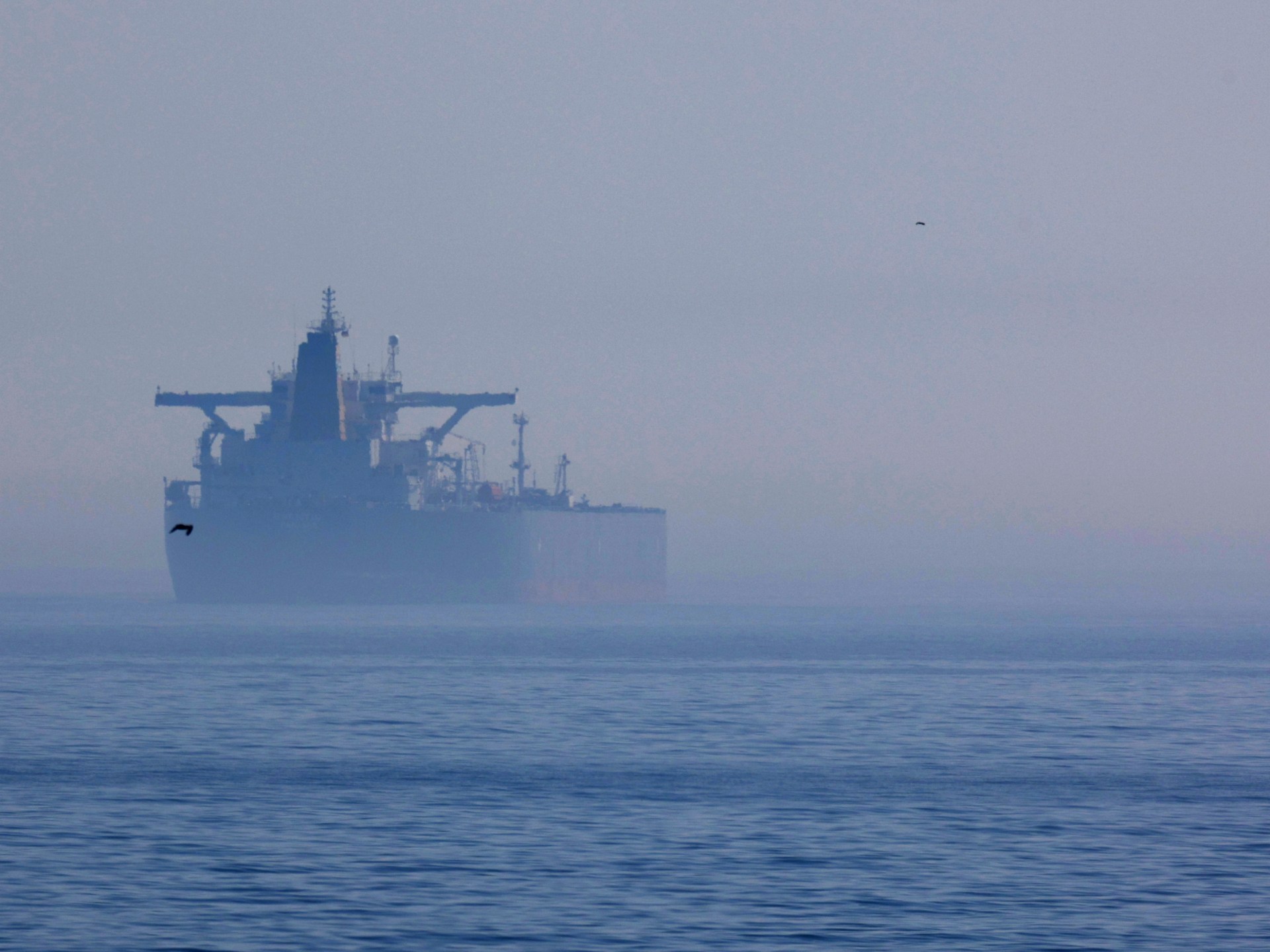
The Black Sea has once again become a focal point of escalating maritime tensions, as a Russian-flagged tanker, the Midvolga-2, reported an attack off the Turkish coast. This incident marks the third such targeting of a Russian vessel within a single week, underscoring a significant shift in the naval dimension of the ongoing conflict.
Turkish maritime authorities swiftly responded to the distress call from the Midvolga-2, a chemical tanker, confirming an investigation is underway. Initial reports indicate no casualties or severe damage to the vessel, which has since resumed its voyage. However, the attack's proximity to the vital Bosphorus Strait raises serious questions about the safety of international shipping in the region.
This latest event follows closely on the heels of two other prominent attacks: the Russian oil tanker Sig, reportedly struck by a Ukrainian naval drone near the Kerch Strait, and the Russian landing ship Olenegorsky Gornyak, hit off the port of Novorossiysk. Ukrainian intelligence sources have claimed responsibility for these earlier strikes, indicating a deliberate strategy to target Russian maritime assets. These actions are framed by Ukraine as critical steps to undermine Russia's war machine, particularly its 'shadow fleet' – an armada of older vessels often operating with obscured ownership and dubious insurance to bypass international sanctions and G7 price caps on Russian oil exports. By disrupting these lucrative routes, Ukraine aims to cripple a significant source of funding for Russia's military operations.
The existence and targeting of this 'shadow fleet' presents a complex challenge. While designed to circumvent economic pressures, these vessels often pose heightened environmental risks due to their age and potentially inadequate maintenance and insurance coverage. An oil spill in the sensitive Black Sea region could have devastating ecological and economic consequences, affecting coastal communities and vital marine ecosystems for decades.
Beyond the immediate conflict, these attacks carry profound implications for regional stability, global energy markets, and the future of international maritime law. For families and businesses reliant on stable trade routes, the increased risk in the Black Sea translates to potential supply chain disruptions and upward pressure on commodity prices. Turkey, a key NATO ally and guardian of the Montreux Convention governing Black Sea passage, faces growing diplomatic and security challenges. The international community watches closely, balancing humanitarian concerns with the imperative to maintain freedom of navigation and prevent further escalation.
As the conflict evolves, the Black Sea is emerging as a critical front where economic warfare meets conventional military action. These maritime incidents serve as a stark reminder of the interconnectedness of global security, economics, and environmental well-being. Understanding these dynamics is crucial for all citizens, as the ripple effects extend far beyond the immediate theater of conflict, impacting our daily lives and shared global future.
365 Intelligence
The reported attack on the Midvolga-2 comes days after Ukraine hit two other Russian-flagged ships in the Black Sea.
A Russian-flagged tanker off the Turkish coast reported an attack, marking the third such incident in a week and highlighting Ukraine's strategy to target Russia's 'shadow fleet' in the Black Sea.
December 3, 2025·Sentry365 News Team·2 min read