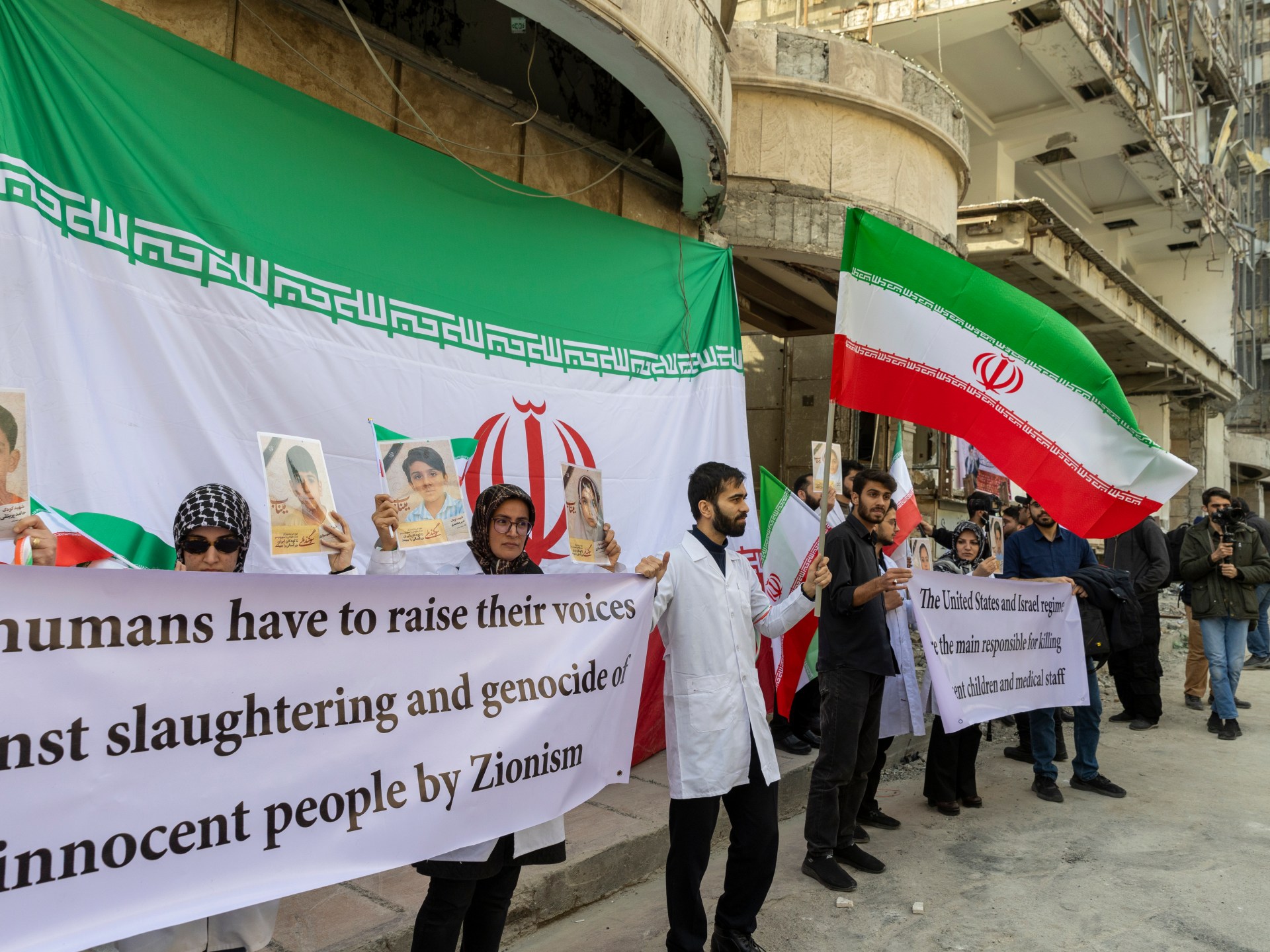
The Pasteur Institute of Iran is one of several healthcare facilities in the country to be targeted. This alarming development, reported amidst ongoing tensions between the United States, Israel, and Iran, raises profound questions about the sanctity of medical infrastructure during times of conflict. For families, prospective clients, and global citizens, understanding the implications of such actions is crucial, as they strike at the very foundation of human well-being.
When we speak of 'attacks' on medical facilities, it extends beyond conventional warfare. In modern geopolitical landscapes, these can manifest as sophisticated cyber warfare targeting critical medical systems, disruption of supply chains for essential medicines and vaccines through economic pressures, or other forms of interference designed to cripple a nation's healthcare capacity. The Pasteur Institute, for instance, is a vital hub for research, vaccine production, and public health initiatives. Any compromise to its operations, whether direct or indirect, has cascading effects on disease prevention, treatment, and overall public health for millions.
The human cost of such strategies is immense. Imagine a scenario where a child cannot receive a life-saving vaccine, where a family member with a chronic illness cannot access essential medication, or where hospitals struggle to maintain basic hygiene due to disrupted supplies. These are not abstract concepts; they represent tangible hardships inflicted upon innocent populations who depend on a functioning healthcare system. Such actions invariably lead to increased mortality rates, the resurgence of preventable diseases, and a general decline in public health, disproportionately affecting the most vulnerable members of society.
International humanitarian law, including the Geneva Conventions, explicitly protects medical facilities, personnel, and transport during armed conflicts. These protections are a cornerstone of civilized conduct, designed to ensure that even in the throes of war, the fundamental right to healthcare remains safeguarded. Actions that undermine or directly target this infrastructure are a grave concern, challenging these established norms and setting dangerous precedents for future conflicts.
Recognizing the severity of the situation, Iranian President Masoud Pezeshkian has formally appealed to international bodies for intervention and support. This appeal underscores the global nature of this crisis and the urgent need for the international community to uphold its commitments to humanitarian principles. It is a stark reminder that the impact of geopolitical strategies on healthcare infrastructure transcends borders, affecting not only those directly involved but also the broader global efforts in public health and human rights.
As individuals and as a global society, we must remain vigilant and informed about these developments. The erosion of healthcare protection in conflict zones affects us all, setting a precedent that threatens the global public health architecture. Upholding the sanctity of medical facilities and ensuring unimpeded access to healthcare, even in times of political strife, is not merely a matter of policy but a fundamental humanitarian imperative that demands our collective attention and resolve.
365 Intelligence
The Pasteur Institute of Iran is one of several healthcare facilities in the country to be targeted.
Reports indicate that the United States and Israel are targeting Iranian medical facilities, including the vital Pasteur Institute, through various means, raising profound humanitarian concerns and i…
April 4, 2026·Sentry365 News Team·2 min read