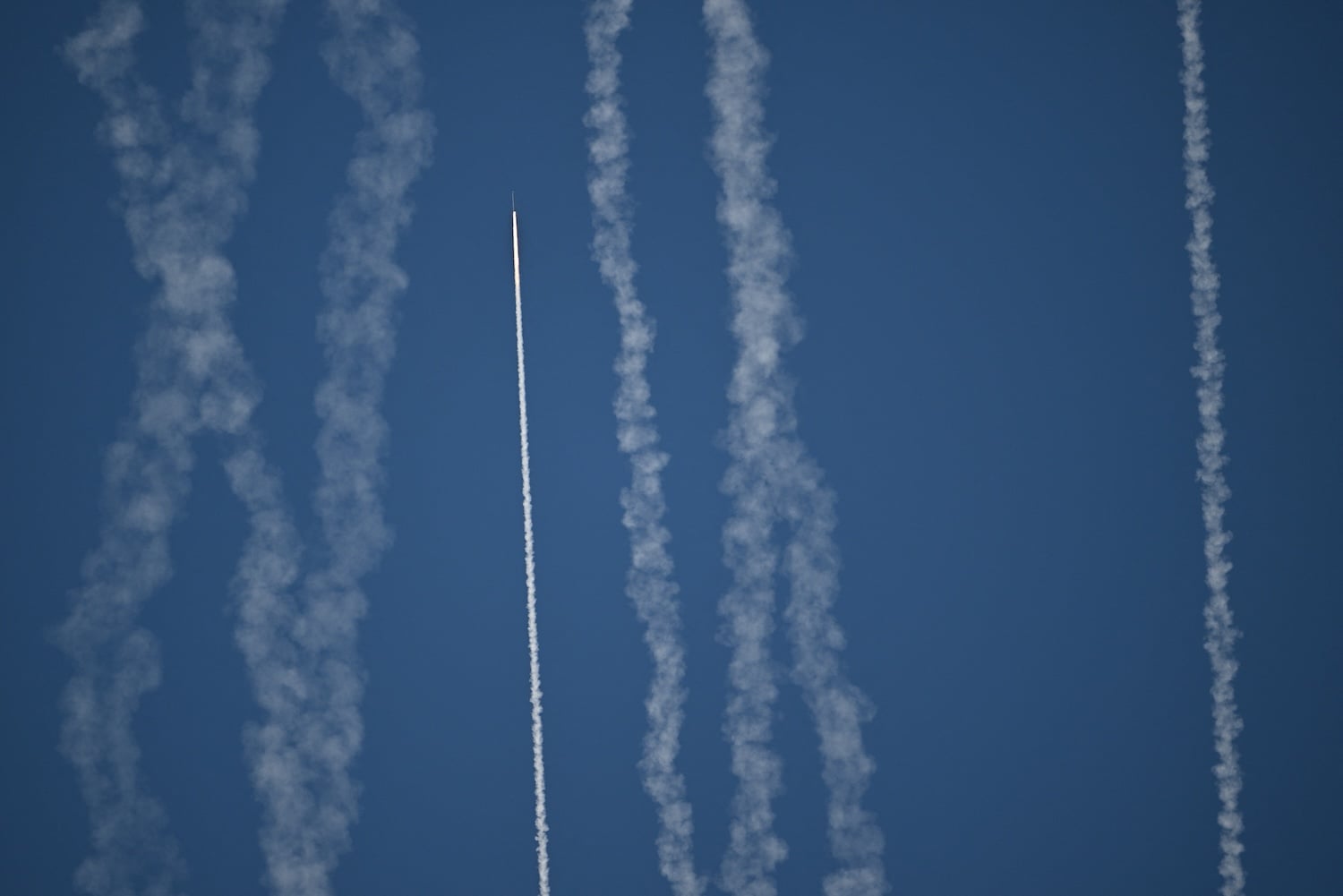
The recent conflict involving the United States and Iran showcased remarkable tactical successes, particularly the destruction of a significant portion of Iran's missile arsenal and the interception of the vast majority of incoming missiles and drones. These achievements underscore the formidable capabilities of U.S. missile defense systems, highlighting the effectiveness of advanced radar technologies and interceptors in safeguarding personnel and assets. For families and citizens, these successes offered a measure of reassurance regarding the protective shield our nation deploys.
However, beneath these clear victories lies a more complex and sobering reality—one that reveals critical vulnerabilities. The sheer scale and cost of effectively defending against even a moderately sophisticated adversary like Iran underscore the immense resources required. Each successful interception, while preventing damage, represents a significant expenditure of high-value munitions. This raises a crucial question: What happens when facing an adversary with a far vaster, more technologically advanced, and strategically integrated arsenal?
This is the profound lesson that experts are now carefully evaluating concerning a potential conflict over Taiwan. China's military modernization efforts have been extensive, focusing on developing sophisticated anti-access/area-denial (A2/AD) capabilities designed to challenge U.S. power projection in the Indo-Pacific. While U.S. defenses proved highly effective against Iran, the quantity, quality, and diversity of China's missile and drone capabilities—including hypersonic weapons, advanced electronic warfare, and sophisticated swarming tactics—present a substantially different challenge.
The vulnerabilities exposed are multifaceted:
* **Resource Strain:** Even with high success rates, the sheer volume of attacks from a peer competitor could overwhelm existing inventories of interceptors and strain logistical supply lines. The cost of defense could quickly outstrip the cost of attack.
* **Technological Edge:** While current U.S. radar and interceptor systems are world-class, China is actively developing and deploying capabilities specifically designed to bypass or degrade them. This includes stealthy missiles, advanced decoys, and sophisticated electronic jamming that could blind sensors or disrupt communications.
* **Strategic Overload:** A conflict over Taiwan would not be confined to missile exchanges. It would encompass cyber warfare, space warfare, and potential attacks across multiple domains simultaneously, creating an incredibly complex operational environment that could stretch defensive capabilities to their limits.
For families and businesses, understanding these dynamics is crucial. It highlights that national security is an ongoing, evolving challenge, demanding continuous investment in cutting-edge research, development, and strategic partnerships. It's not just about winning tactical battles but about building resilient defenses and maintaining a deterrent posture that prevents larger conflicts. The lessons from the Middle East, while demonstrating U.S. prowess, serve as a stark reminder that preparedness against a more formidable challenge like a conflict over Taiwan requires constant vigilance, innovation, and a clear-eyed assessment of future threats to safeguard our national interests and ensure global stability.
This ongoing analysis underscores the importance of public engagement and informed decision-making regarding defense spending, technological superiority, and international alliances. Our collective security relies on learning from current conflicts to prepare for future, potentially far more dangerous, scenarios.
365 Intelligence
The ongoing war has revealed vulnerabilities that could prove far more dangerous in a conflict over Taiwan.
Despite notable tactical successes in intercepting missiles and drones in the Middle East, the conflict has exposed vulnerabilities that experts warn could become far more dangerous in a potential fu…
June 14, 2026·Sentry365 News Team·2 min read