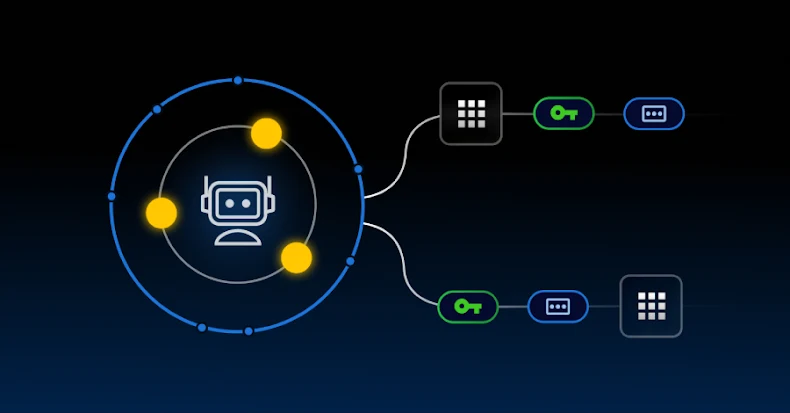
In our rapidly evolving digital world, the concept of a 'workforce' is expanding far beyond human employees. We are witnessing the exponential rise of what are often called 'Non-Human Identities' (NHIs) – an invisible army of bots, AI agents, scripts, and automated processes that are becoming the backbone of modern enterprises. As organizations embrace Artificial Intelligence (AI) and cloud automation to achieve unprecedented scale and efficiency, these NHIs are taking on critical roles, from managing intricate cloud infrastructure to processing vast amounts of data.
This shift, while a tremendous boon for productivity and innovation, introduces a profound new frontier for cybersecurity. Traditionally, security strategies have focused heavily on protecting human user accounts – their passwords, access privileges, and behaviors. However, NHIs, by their very nature, are different. They often operate with extensive permissions, run constantly, and can access highly sensitive systems and data without direct human oversight for extended periods.
The challenge is clear: each of these non-human identities represents a potential entry point for sophisticated cybercriminals. If compromised, an NHI can be exploited to gain unauthorized access, steal valuable intellectual property, disrupt critical services, or deploy ransomware with alarming speed and scale. Managing tens of thousands, or even millions, of these digital identities, each with its unique access requirements and potential vulnerabilities, far outstrips the capabilities of traditional security models.
For businesses – from the smallest startup to the largest corporation – adapting to this new reality is not optional; it is imperative. The future of cybersecurity demands a proactive approach focused on:
* **Dedicated Non-Human Identity Management (NHIM):** Implementing specialized systems to discover, manage, and secure every NHI, ensuring they have only the precise access required for their function and no more.
* **Robust Authentication and Authorization:** Just like human employees, NHIs need strong authentication mechanisms and strictly defined permissions, with regular reviews to prevent privilege creep.
* **Continuous Monitoring and Anomaly Detection:** Advanced analytics and AI-driven tools are essential to monitor NHI behavior for any deviations from the norm, indicating a potential compromise or misuse.
* **Zero Trust Principles:** Applying a 'never trust, always verify' approach to all NHIs, assuming that every identity, human or non-human, could be a potential threat until verified.
For families and middle-class citizens, the security of these non-human employees in enterprise systems might seem distant, but its impact is deeply personal. The businesses you rely on daily – your bank, healthcare provider, utility company, or favorite online store – all leverage NHIs. Their ability to securely manage these digital workers directly affects the safety of your personal data, financial information, and the reliability of the essential services you use. A breach originating from a compromised NHI at a major enterprise could have widespread consequences, from identity theft to service outages.
The rise of non-human identities is an irreversible trend. By proactively preparing and implementing advanced security frameworks, enterprises can harness the power of AI and automation while safeguarding our collective digital future. It's about building a secure foundation where human and non-human entities can collaborate safely, protecting our data, privacy, and peace of mind.
365 Intelligence
The Invisible Workforce: How Non-Human Identities are Reshaping Cybersecurity
As AI and cloud automation drive the exponential growth of non-human identities in enterprise systems, securing this invisible digital workforce is now paramount for the future of cybersecurity and t…
January 8, 2026·Sentry365 News Team·2 min read