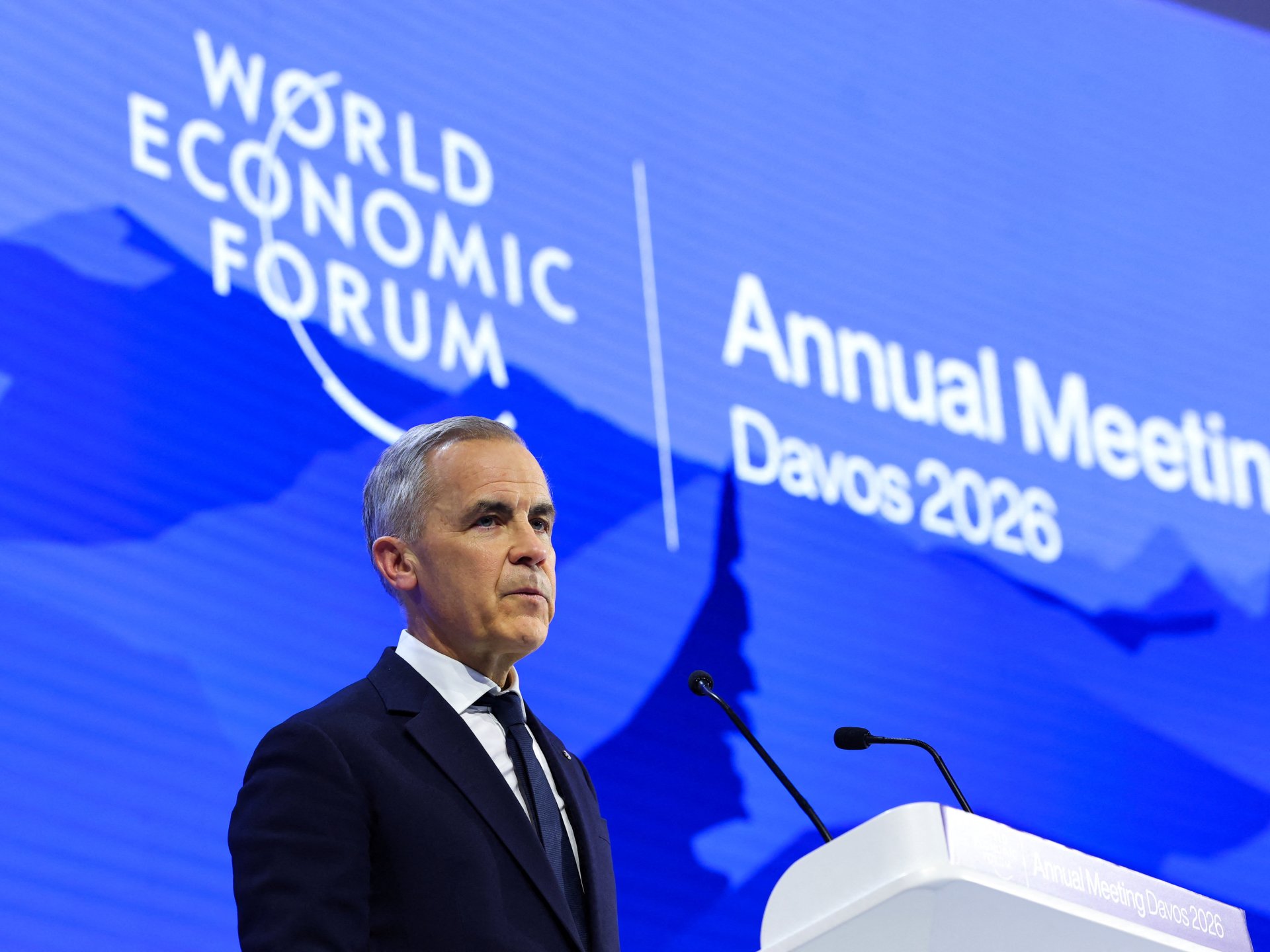
In the complex world of international relations, true leadership is measured not by the eloquence of words, but by the integrity of actions. This principle comes sharply into focus when examining recent developments concerning Canadian Prime Minister Mark Carney and his administration's approach to the escalating tensions surrounding Iran.
Just weeks ago, at the prestigious World Economic Forum in Davos, Prime Minister Carney presented himself as a thoughtful statesman. His address resonated with calls for diplomacy, de-escalation, and a commitment to a rules-based international order. He passionately warned against the dangers of succumbing to 'great power competition' and specifically highlighted the perilous path of confrontation with Iran. His words offered a vision of Canada as a constructive voice, advocating for multilateralism and peaceful resolution in a volatile global landscape. For many families and middle-class citizens, this message was a source of reassurance, suggesting a measured approach to securing global stability.
However, the swift shift in tone and policy has been stark. Despite the carefully crafted rhetoric in Davos, the Canadian government, under Prime Minister Carney, appeared to quickly align with a more aggressive stance concerning Iran. This alignment, which some observers describe as readily joining a 'war bandwagon,' seems to contradict the very principles of de-escalation and independent foreign policy that were so recently articulated on the global stage.
This inconsistency raises critical questions about the nature of leadership and accountability. When a nation's top diplomat speaks of peace and cooperation, only for the government's subsequent actions to lean towards confrontation, it erodes trust – not just internationally, but domestically. For the average Canadian family or prospective business client, such pivots can signal instability, economic uncertainty, and a lack of predictable governance in matters of national security and foreign affairs. It suggests that Canada’s voice on the world stage might be less independent than portrayed, a perception that can impact our nation's standing and influence.
True leadership demands a steadfast commitment to stated values and a willingness to maintain a principled course, even in the face of pressure from powerful allies. It means having the courage to forge an independent path when it serves the nation's long-term interests and promotes global peace, rather than simply echoing the sentiments of others. Families and citizens rightly expect their leaders to act with consistent moral authority, ensuring that the safety and well-being of the nation are paramount, guided by deliberate thought rather than reactive alignment.
The discrepancy between Prime Minister Carney's thoughtful discourse at Davos and his administration's subsequent actions regarding Iran serves as a potent reminder: in the arena of international security, words are merely promises until they are upheld by deeds. It is these deeds that ultimately define a leader and shape the future of a nation.
365 Intelligence
The Canadian prime minister was quick to jump on the Iran war bandwagon, seemingly forgetting his own speech at Davos.
Despite promoting diplomacy and de-escalation at Davos, Canadian Prime Minister Mark Carney's swift alignment with a more aggressive stance on Iran raises questions about the true measure of leadersh…
March 10, 2026·Sentry365 News Team·2 min read