In times of conflict, accurate information is paramount, especially when discussing the tragic loss of life. Understanding who is affected and how helps us grasp the true human cost and informs crucial decisions. Recent research has shed new light on casualty figures in Gaza, offering a critical perspective for families and citizens seeking to understand global events.
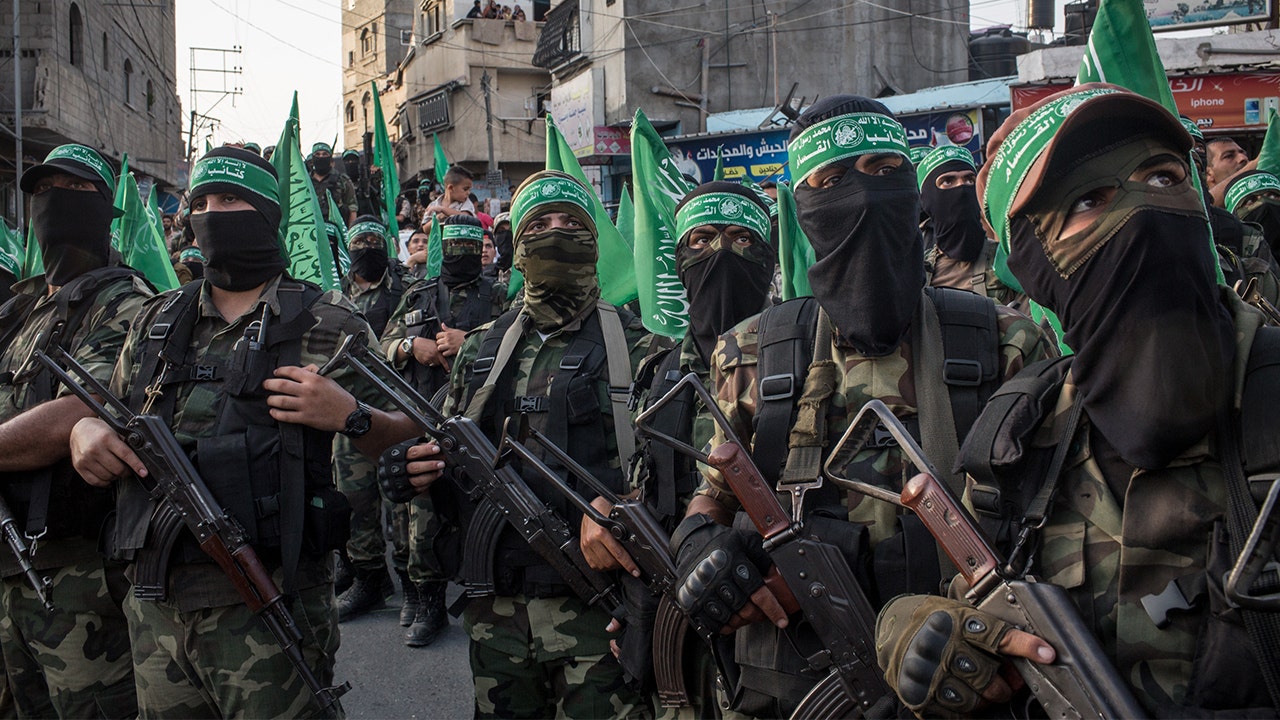
For months, various reports have cited civilian casualty numbers in Gaza. However, new analysis, based on public declarations by Hamas and Palestinian Islamic Jihad (PIJ) themselves, indicates a significant re-evaluation may be necessary. These terrorist organizations often celebrate their fallen members as 'martyrs' through their own channels. Researchers have meticulously cross-referenced these public claims with broader casualty lists, revealing a concerning pattern: many individuals previously counted as non-combatant civilians were, in fact, active members of these terror groups.
What makes these findings particularly impactful is the revelation that these operatives frequently embedded themselves within civilian infrastructure and adopted non-combatant roles. Reports suggest that members of Hamas and PIJ have posed as medics, aid workers, journalists, teachers, and even school administrators. This deliberate tactic aims to exploit the protections afforded to civilians and those providing essential services under international law, while simultaneously distorting public perception of the conflict's toll. By operating under such guises, these individuals blur the lines between combatants and non-combatants, making it incredibly challenging for independent observers and international bodies to accurately assess the situation on the ground.
This strategy is not new in asymmetric warfare, but its implications for accurate reporting and public understanding are profound. When those engaged in hostilities deliberately masquerade as humanitarian workers or members of the press, it complicates the collection of reliable data and fuels misinformation campaigns. For families watching global events unfold, and for organizations seeking to make informed decisions, this research underscores the vital importance of scrutinizing information sources and understanding the complex dynamics of modern conflict.
Ultimately, this research serves as a crucial reminder of the sophisticated tactics employed by terrorist organizations to manipulate narratives and undermine efforts to achieve clarity and accountability. It emphasizes the ongoing need for rigorous investigation and careful analysis to ensure that the true human cost of conflict is understood, unclouded by deliberate deception.
365 Intelligence
Researchers say Hamas and PIJ martyr lists reveal Gaza terrorists who posed as doctors, nurses, and journalists, clouding civilian casualty figures.
New research indicates that many individuals previously counted as civilian casualties in Gaza were in fact members of Hamas and PIJ, often posing as medics, journalists, or other non-combatants.
March 24, 2026·Sentry365 News Team·2 min read