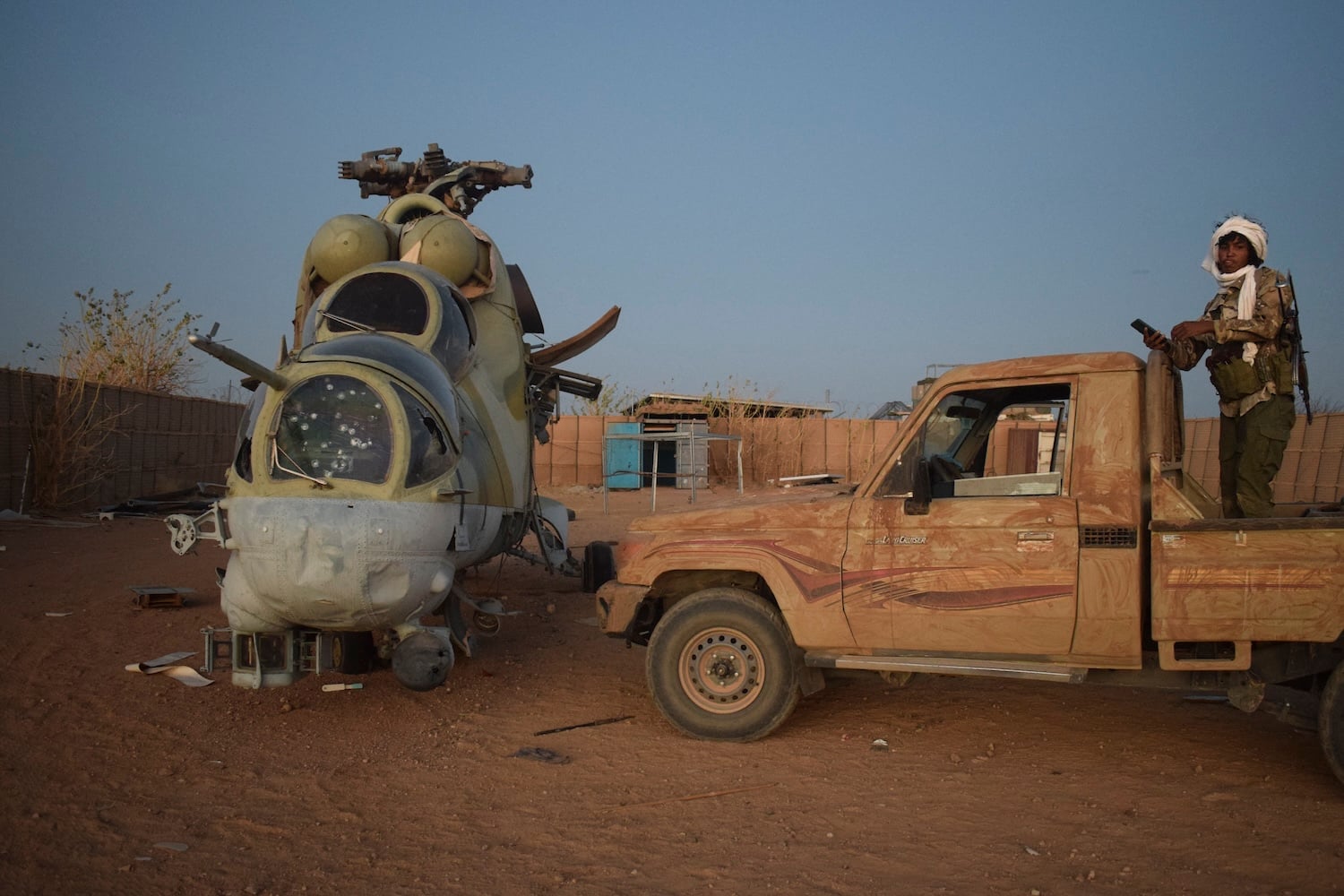
The recent coordinated attacks across military sites and cities in Mali on April 25, which tragically claimed the life of Defense Minister Sadio Camara, have sent shockwaves through the West African nation and beyond. These severe incidents underscore a critical and concerning reality about the evolving landscape of global security, particularly the effectiveness and ethical implications of relying on mercenary forces.
For years, Mali has grappled with persistent security challenges, battling militant groups and extremist ideologies that destabilize the Sahel region. Historically, partnerships with international forces, notably France’s Operation Barkhane, aimed to bolster Mali’s defenses and counter these threats. However, a significant shift occurred when Mali severed ties with France, opting instead to embrace a security model heavily reliant on the Russian-affiliated Wagner Group. This decision was presented as a more decisive and effective solution to the nation's entrenched security woes.
The devastating events of April 25, culminating in such a high-profile casualty and widespread disruption, directly challenge the narrative of enhanced security brought by mercenary deployments. Far from demonstrating superior protection, these attacks starkly expose the inherent flaws and significant vulnerabilities of the Kremlin’s mercenary security model.
Firstly, the very occurrence and scale of these coordinated assaults raise serious questions about the Wagner Group's operational effectiveness. If the presence of these heavily armed and reputedly ruthless contractors was meant to deter or decisively neutralize threats, the attacks suggest a stark failure in intelligence, prevention, or response. For families and citizens, this directly translates to a continued, perhaps even heightened, sense of insecurity, despite substantial national investment in foreign security providers.
Secondly, the mercenary model often operates with a distinct lack of transparency and accountability, a stark contrast to traditional state-to-state military cooperation. This opacity can obscure human rights abuses, fuel corruption, and, critically, make it difficult for host nations like Mali to truly assess the return on investment or hold these forces to international standards. Such a framework risks alienating local populations, potentially driving disaffected individuals into the arms of the very extremist groups they are supposed to combat.
Furthermore, the long-term implications extend beyond immediate security. Relying on external mercenary groups can undermine the development of a nation's own robust, professional, and accountable security forces, fostering dependency rather than self-sufficiency. It also injects a geopolitical dimension, linking Mali's internal stability to the strategic interests of external powers, which may not always align with the best interests of the Malian people.
For families and businesses evaluating global stability and the safety of their communities, these events serve as a potent reminder. True security is not merely about overwhelming force; it's about sustainable, accountable, and community-integrated solutions that address root causes while protecting human dignity. The tragic events in Mali demonstrate that a mercenary-led approach, while seemingly offering quick fixes, can ultimately perpetuate instability, endanger citizens, and prove to be a costly and ultimately flawed gamble for national security. It underscores the critical need for thoughtful, transparent, and ethically grounded strategies in building resilient security frameworks worldwide.
365 Intelligence
Recent violence exposes the flaws in the Kremlin’s mercenary security model.
The recent coordinated attacks in Mali, which claimed the life of Defense Minister Sadio Camara, severely expose the ineffectiveness and inherent risks of relying on the Kremlin’s mercenary security…
May 15, 2026·Sentry365 News Team·2 min read