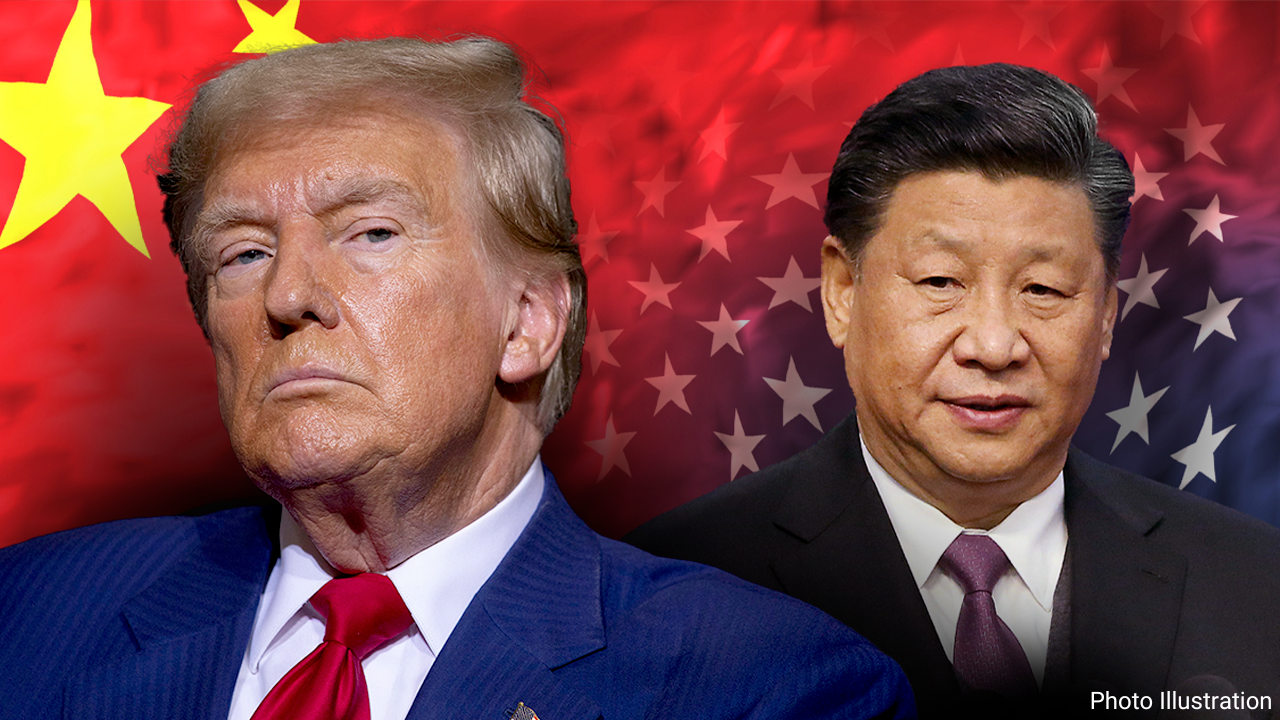
As President Donald Trump prepares for his eagerly anticipated summit with Chinese President Xi Jinping in Beijing this March, the customary agenda items often dominate pre-meeting discussions. Typically, these high-stakes encounters revolve around persistent trade imbalances, allegations of intellectual property theft, escalating tensions in the South China Sea, and the perennial challenge of North Korea’s nuclear ambitions. While these issues are undeniably critical and require diligent negotiation, the approach to addressing them has, at times, become predictable, leading to incremental progress rather than decisive breakthroughs.
However, this upcoming summit presents a unique opportunity for a strategic pivot. Instead of solely adhering to the established playbook, there is a compelling argument for President Trump to introduce a new, potent element into the negotiations: leveraging the United States’ recently solidified strategic position concerning Iran. This isn't about inciting conflict, but rather recognizing and utilizing a demonstrated capacity for decisive action and influence in a region of profound global importance.
For families and the middle class, understanding this shift is vital. Geopolitical maneuvers, though seemingly distant, directly impact global stability, economic prosperity, and national security – all factors that ripple into our daily lives. A strengthened U.S. posture, born from successful navigation of complex challenges in the Middle East, offers a new card to play. This strategic advantage signals American resolve and capability, a message that resonates deeply in international diplomacy.
Why would China be receptive to this specific leverage? Beijing’s burgeoning economy is critically dependent on stable energy supplies, much of which flows from the Middle East. Furthermore, China's ambitious Belt and Road Initiative, designed to enhance global trade and infrastructure links, thrives on regional stability. A demonstrably stronger and more assertive U.S. in the Middle East, while potentially creating new dynamics, also implies a capacity to manage or influence outcomes that directly affect China’s core economic interests and strategic plans. Beijing cannot ignore a robust U.S. presence and strategic advantage in such a vital global artery.
Therefore, the summit becomes an opportunity to reframe the conversation. Instead of merely haggling over tariffs, the U.S. can convey that its capacity for decisive action, as demonstrated by its strategic successes regarding Iran, can be a force for broader global stability—or instability, depending on cooperative engagement. This leverage isn't a threat; it's a recalibration of power dynamics. It offers Beijing an incentive to engage more constructively on issues like trade fairness, curbing intellectual property theft, and applying greater pressure on North Korea. By showcasing a willingness and ability to secure its interests globally, the U.S. can encourage China to seek more mutually beneficial resolutions across the spectrum of their relationship.
Ultimately, a bold and strategic approach in Beijing can yield far-reaching benefits for American families. Achieving greater stability in critical global regions, securing fairer trade practices, and enhancing international security against threats like nuclear proliferation directly contribute to a more predictable and prosperous world. This isn't just about political strategy; it’s about safeguarding our national interests and ensuring a safer, more stable future for generations to come. The upcoming summit offers a chance to break free from conventional diplomatic cycles and forge a path towards more impactful and lasting outcomes.
365 Intelligence
President Donald Trump's March summit with Chinese President Xi Jinping in Beijing should emphasize Iran war leverage over traditional trade issues.
As President Trump prepares for his summit with Chinese President Xi Jinping, a strategic shift is proposed: leveraging recent U.S. successes concerning Iran to achieve breakthroughs, rather than sol…
March 17, 2026·Sentry365 News Team·2 min read