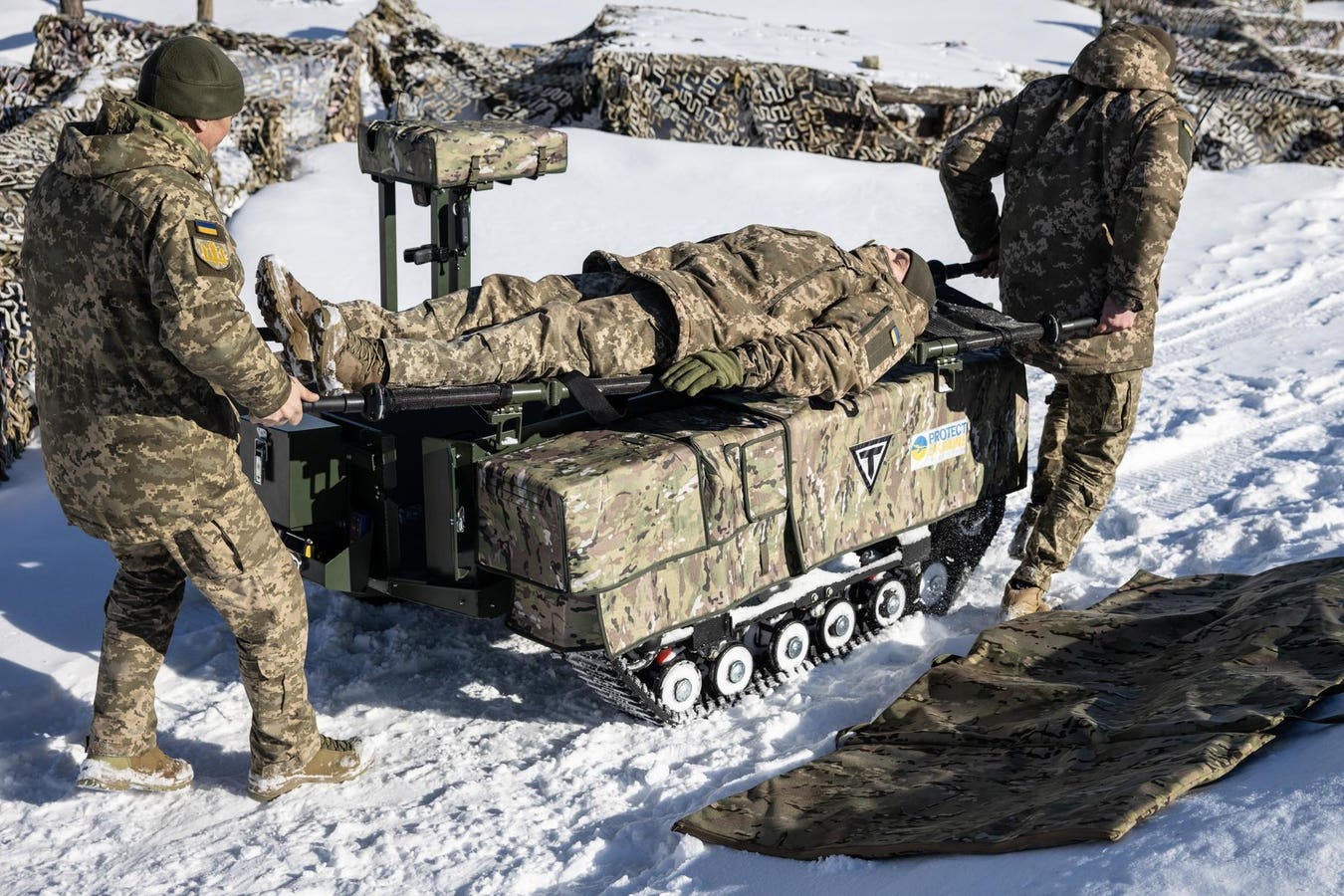
Unmanned technology often conjures images of aerial surveillance or remote-controlled gadgets. But in the demanding and often perilous world of military operations, these systems are rapidly evolving into something far more crucial: life-saving tools. From the front lines to emergency response, Unmanned Ground Vehicles (UGVs) and drones are reshaping how casualties are managed, offering a beacon of hope where conventional methods fall short.
Recent demonstrations, such as one in Ukraine in February 2026, showcase Ukrainian soldiers utilizing UGVs for the vital task of evacuating wounded personnel. This isn't just about moving people; it's about intelligent, risk-averse rescue. UGVs, essentially robotic stretchers on wheels, can navigate treacherous terrain, cross minefields, or enter areas deemed too dangerous for human medics, all while carrying a wounded soldier to safety. Similarly, aerial drones are proving invaluable not only for locating casualties quickly but also for delivering essential medical supplies to inaccessible locations or even providing aerial support during complex evacuations.
The integration of unmanned systems directly addresses critical challenges in military casualty care, primarily the "golden hour" – the crucial first hour after an injury when timely medical intervention can dramatically improve survival rates. By allowing rescuers to extract wounded individuals from immediate danger zones without exposing additional personnel to harm, UGVs and drones accelerate the evacuation process. This significantly reduces the time from injury to definitive care, increasing the chances of recovery and minimizing long-term complications. For families back home, this means a greater likelihood of their loved ones returning safely and recovering more fully.
This shift marks a significant paradigm change in military medicine. These unmanned heroes are not replacing human courage but augmenting it, providing a layer of protection and efficiency previously unattainable. As technology advances, we can anticipate even more sophisticated capabilities, from autonomous navigation in complex environments to integrated medical diagnostics on board these vehicles. The lessons learned in military applications often pave the way for civilian benefits, potentially transforming disaster relief and emergency services in the future.
The deployment of unmanned ground vehicles and drones for casualty evacuation is a testament to human ingenuity in the face of adversity. It underscores a commitment to protecting those who serve, ensuring that advanced technology is leveraged not just for defense, but fundamentally for rescue and preservation of life. For families, prospective clients, and citizens alike, it’s a powerful reminder that innovation can bring greater safety and peace of mind even in the most challenging circumstances.
365 Intelligence
It's not just boats. Unmanned systems of all types, including air and ground vehicles, are rescue tools changing military medicine and casualty care.
Unmanned ground vehicles and drones are transforming military casualty evacuation by offering safer, faster ways to rescue wounded personnel from dangerous zones, significantly enhancing survival rat…
June 13, 2026·Sentry365 News Team·2 min read