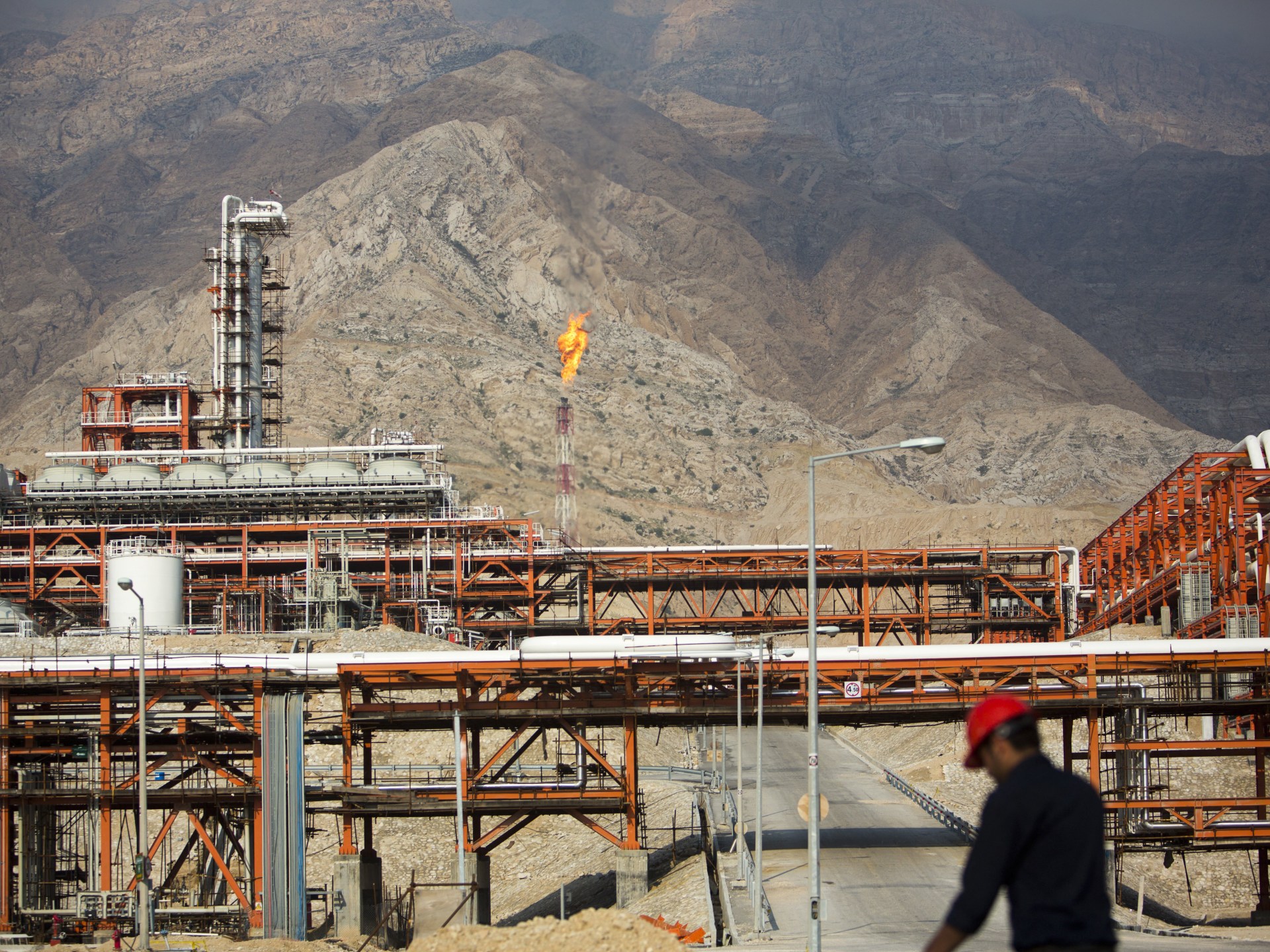
Recent events in the Gulf region have sent tremors through global energy markets and raised serious concerns about regional stability. A series of reciprocal strikes, with Israel targeting Iran’s vital South Pars gasfield and Iran retaliating against energy facilities including Qatar’s Ras Laffan, marks a perilous escalation in an already tense geopolitical landscape. For families, businesses, and the global community, understanding the profound implications of these actions is critical.
At the heart of this dangerous turn lies the South Pars/North Dome field, the world's largest non-associated natural gas field, shared by Iran and Qatar. For Iran, its portion, South Pars, is more than just a gas field; it is the cornerstone of its economy. Providing fuel for domestic power generation, feedstock for vital petrochemical industries, and a significant source of export revenue, especially critical under international sanctions, its operational integrity is paramount to Iran’s national resilience. An attack on South Pars is, therefore, a direct blow to Iran’s economic sovereignty and its ability to sustain itself.
On the other side of the shared field lies Qatar's North Dome, the foundation of its immense wealth and its status as a global leader in liquefied natural gas (LNG) exports. Qatar's Ras Laffan Industrial City is the nerve center for these operations, housing vast processing plants, liquefaction facilities, and export terminals. The sheer concentration of critical energy infrastructure at Ras Laffan means any disruption here reverberates across international energy markets, impacting supply and pricing globally. While Qatar strives for neutrality, its strategic importance in global energy makes it an unavoidable point of concern in regional conflicts.
The recent sequence of events began with Israel's targeted strike on Iran's South Pars gasfield. This aggressive move, viewed by many as a significant escalation in the broader 'US-Israel war on Iran,' directly challenged Iran's economic lifeline. Iran’s swift retaliation saw its forces strike energy facilities across the Gulf region, with Qatar’s Ras Laffan being among the targets. These tit-for-tat attacks represent a dangerous new phase, moving beyond proxy conflicts to direct assaults on vital national infrastructure.
The implications of these strikes are far-reaching. Economically, targeting such critical energy hubs immediately introduces volatility into global gas and oil markets. Families could face increased energy costs, impacting household budgets and the broader economy. Businesses reliant on stable energy prices and supply chains will grapple with uncertainty. The potential for prolonged disruption to LNG supplies from the Gulf, particularly from Qatar, could have severe consequences for nations heavily dependent on these imports, especially in Europe and Asia.
From a security perspective, this escalation deepens regional tensions dramatically. The Gulf region, already a hotbed of geopolitical rivalries, faces an increased risk of broader conflict. The involvement of critical energy infrastructure belonging to relatively neutral players like Qatar also complicates the geopolitical calculus, potentially drawing more actors into the fray. The security of vital maritime chokepoints, such as the Strait of Hormuz, through which a significant portion of the world’s seaborne oil passes, comes under renewed threat, impacting global trade and stability.
As these events unfold, the international community watches with bated breath. The recent attacks on South Pars and Ras Laffan are not merely isolated incidents; they are symptomatic of deepening geopolitical fissures with tangible consequences for global energy security and regional stability. For families and citizens, understanding these complex dynamics is essential, as the ripple effects of such escalations can touch lives far beyond the immediate conflict zones. It underscores the critical need for de-escalation and diplomatic solutions to prevent a wider conflagration that no nation can afford.
365 Intelligence
Israel's strike on South Pars and Iran's attack on Ras Laffan escalate energy crisis, deepen regional tensions.
Israel's strike on Iran's critical South Pars gasfield and Iran's retaliation against Gulf energy facilities, including Qatar's Ras Laffan, mark a dangerous escalation with profound global implicatio…
March 21, 2026·Sentry365 News Team·3 min read