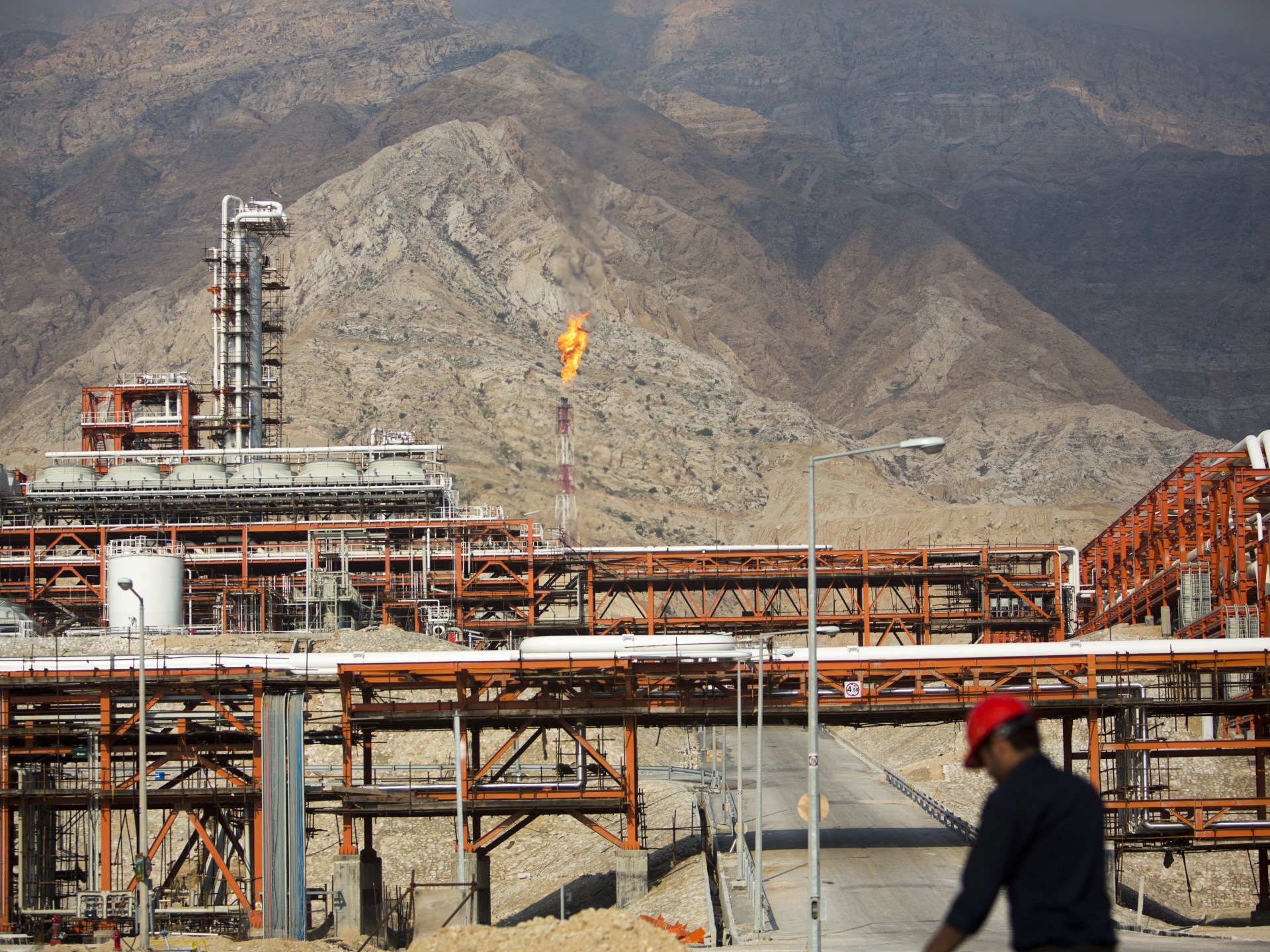
Recent developments in the Middle East have brought a significant and concerning escalation to the forefront of global security and economic discussions. In a move that observers believe has ratcheted up the long-standing tensions between the US-Israel axis and Iran, Israel conducted a strike on Iran's crucial South Pars gasfield. This action was swiftly followed by a retaliatory strike from Iran, targeting vital energy facilities across the Gulf region, prominently including Qatar's Ras Laffan industrial city.
For families, businesses, and middle-class citizens, understanding the implications of these attacks is paramount, as they directly impact global energy markets, economic stability, and regional security.
**The Strategic Significance of South Pars and Ras Laffan**
The targets chosen by both sides are far from arbitrary; they represent the beating heart of the region's and, indeed, a substantial portion of the world's energy supply. The South Pars gasfield, shared between Iran and Qatar (where it is known as the North Field), is the world's largest natural gas reservoir. Its importance cannot be overstated:
* **For Iran:** South Pars is the lynchpin of Iran's economy. It not only fuels domestic power generation and industries but is also a critical source for its petrochemical sector and potential exports. Any disruption to this field has severe economic ramifications for the nation.
* **For Qatar:** The North Field feeds Qatar's Ras Laffan industrial city, a colossal hub for liquefied natural gas (LNG) production. Qatar is a leading global LNG exporter, supplying vital energy to Europe, Asia, and beyond. Ras Laffan hosts massive processing plants, refineries, and export terminals, making it indispensable to global energy security.
**A Dangerous Escalation with Global Repercussions**
Israel's strike on South Pars and Iran's subsequent targeting of Ras Laffan signify a perilous shift in regional dynamics. This is no longer a 'shadow war'; it is an overt exchange targeting critical infrastructure, carrying the risk of broader conflict and substantial disruption. The reciprocal nature of these attacks indicates a dangerous cycle of escalation that demands immediate international attention.
**What This Means for You**
While the immediate theatre of conflict is thousands of miles away, the ripples of these events will undoubtedly reach homes and businesses worldwide:
* **Energy Prices:** Attacks on major energy production and export facilities like South Pars and Ras Laffan can trigger significant volatility in global natural gas and potentially oil prices. This could translate to higher utility bills for heating and electricity, increased fuel costs for transportation, and rising expenses for manufactured goods dependent on energy-intensive production.
* **Economic Stability:** Market uncertainty, driven by geopolitical instability, can deter investment, impact supply chains, and contribute to broader economic slowdowns. Businesses may face higher operational costs, and families could see a squeeze on their household budgets.
* **Regional Security:** The deepening conflict raises concerns about broader regional stability, impacting international trade routes, travel, and the overall security landscape. The potential for miscalculation or further escalation remains a grave concern.
As these developments unfold, vigilance and informed awareness are crucial. The targeting of such economically and strategically vital energy assets underscores the critical intersection of geopolitics, security, and global economic well-being. We will continue to monitor this evolving situation and provide insights into its potential impact on our collective future.
365 Intelligence
Israel's strike on South Pars and Iran's attack on Ras Laffan escalate energy crisis, deepen regional tensions.
Recent reciprocal strikes by Israel on Iran's South Pars gasfield and by Iran on Qatar's Ras Laffan have dramatically escalated regional tensions and threaten global energy stability.
March 20, 2026·Sentry365 News Team·2 min read