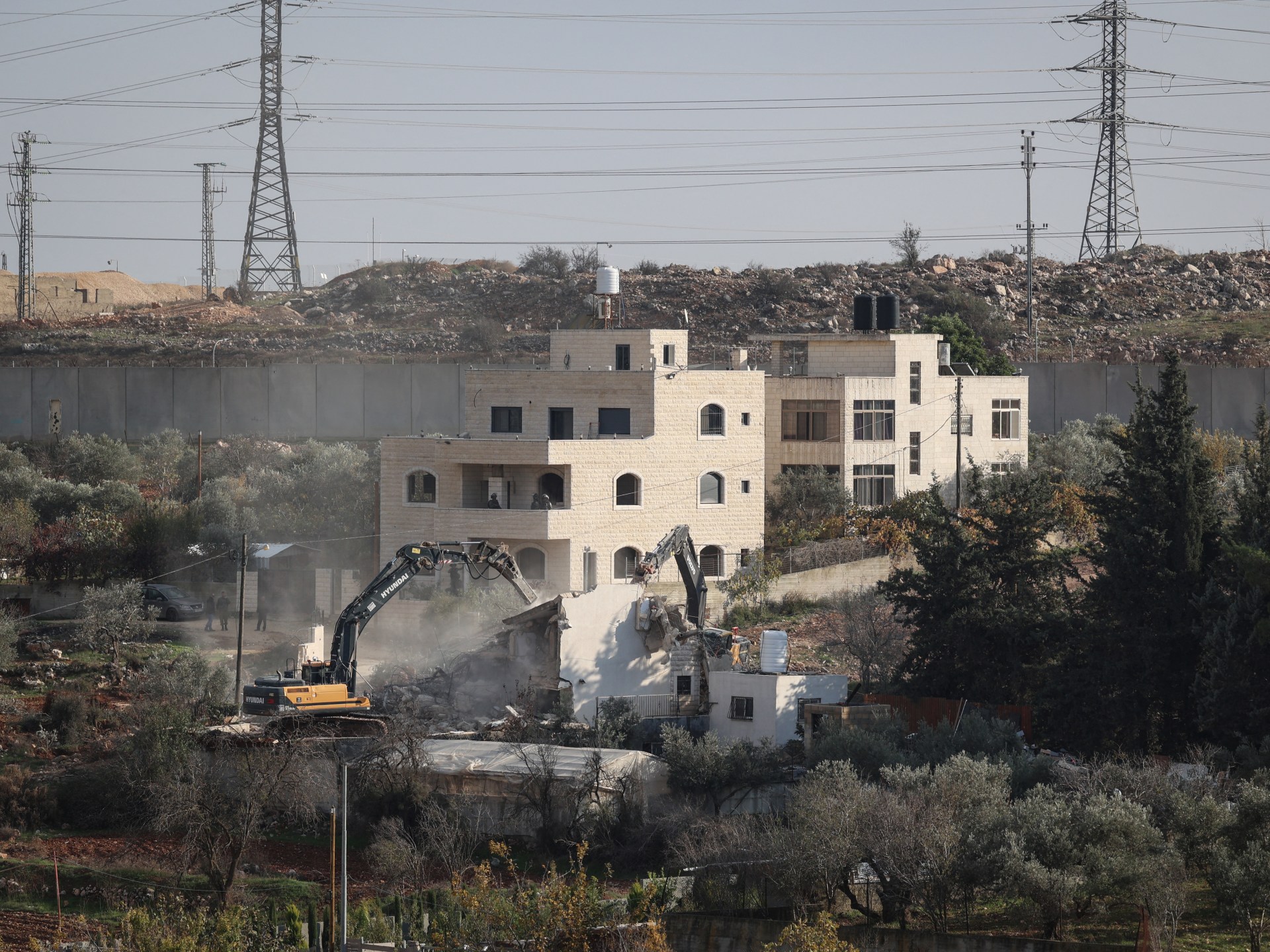
Recent reports indicate that Israeli authorities are poised to advance plans for the construction of 9,000 new housing units within an illegal settlement situated on the grounds of the abandoned Qalandiya airport, now known as Atarot, in occupied East Jerusalem. This significant development is not merely a local planning decision; it represents a profound geopolitical maneuver with far-reaching implications for regional stability, international law, and the long-contested prospects for a two-state solution.
For families and citizens observing global events, understanding the intricacies of such announcements is crucial. The site of the planned construction, Qalandiya/Atarot, is strategically located between East Jerusalem and the northern West Bank. Should these 9,000 units materialize, they would effectively create a major new urban bloc, further solidifying Israeli control over a critical artery that currently provides some measure of contiguity for Palestinian areas. Under international law, settlements in occupied territories are considered illegal, a position upheld by numerous United Nations resolutions and most international bodies. The advancement of such a large-scale project directly challenges this foundational legal principle.
From a security perspective, actions of this nature carry inherent risks. Settlement expansion, particularly in sensitive areas like East Jerusalem, is consistently cited as a primary driver of heightened tensions and instability in the region. It can erode trust, fuel resentment, and potentially contribute to cycles of violence, impacting not only those directly involved but also the broader geopolitical landscape. When core international legal frameworks are perceived to be disregarded, it can undermine the very architecture designed to prevent conflict and uphold human rights globally. This has indirect but tangible consequences for global security, often requiring international diplomatic and even humanitarian interventions.
The long-term implications are particularly stark for the vision of a viable, contiguous Palestinian state. By creating new facts on the ground, such massive settlement projects effectively fragment Palestinian territory, making it geographically and demographically challenging to establish a truly independent and sovereign state with East Jerusalem as its capital. This isn't just about land; it's about the very feasibility of a future political resolution based on two states living side-by-side in peace and security. The ongoing expansion efforts are widely interpreted by analysts and international bodies as a deliberate strategy to preclude the territorial basis for a Palestinian state.
As informed citizens, recognizing these developments for what they are – not just housing plans, but strategic political and security decisions – is paramount. These actions underscore the enduring challenges to peace in the Middle East and highlight the urgent need for adherence to international law and concerted diplomatic efforts to de-escalate tensions and foster conditions for a just and lasting resolution.
365 Intelligence
Israeli authorities are engaged in multiple major efforts to ensure there will be no Palestinian state in the future.
Israeli authorities are set to advance plans for 9,000 new housing units in an illegal settlement in occupied East Jerusalem, a move widely seen as significantly undermining prospects for a future Pa…
December 18, 2025·Sentry365 News Team·2 min read