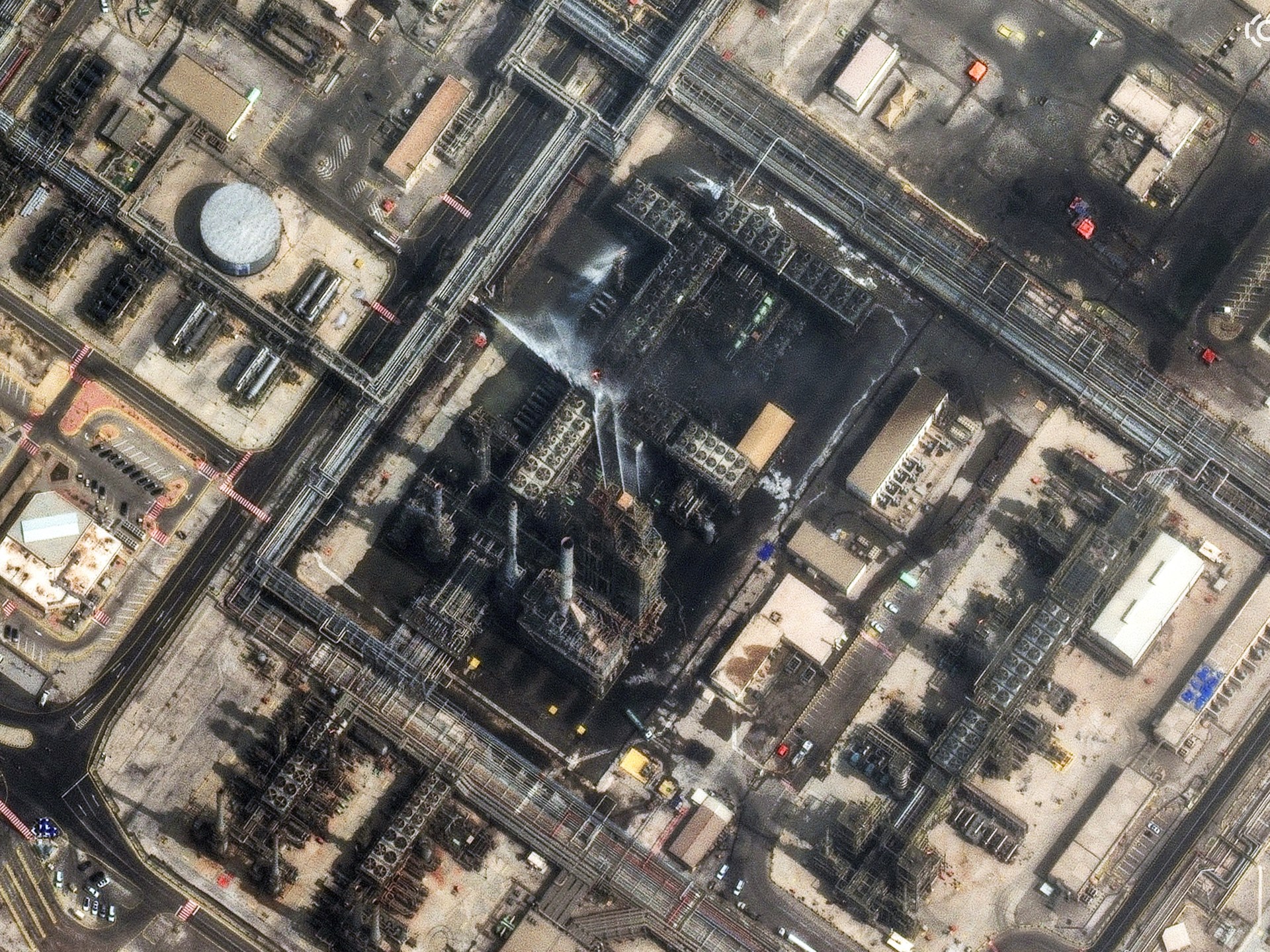
The geopolitical landscape has been profoundly shaken by recent developments in the Middle East, with significant implications resonating globally. Heavy Israeli strikes have targeted Tehran, Iran, marking a dangerous escalation in the region. Concurrently, allies of Iran have launched retaliatory attacks across various Gulf states, further intensifying an already volatile situation.
This heightened conflict, now reportedly on its fourteenth day of US-Israel allied operations against Iran, has had an immediate and severe impact on one of the world's most critical maritime choke points: the Strait of Hormuz. A vital artery for global energy trade, the Strait sees approximately 20% of the world's total petroleum consumption pass through its narrow waters daily. Recent disruptions to shipping here are not merely localized incidents; they are direct threats to global energy security and economic stability.
The immediate consequence of these disruptions has been a dramatic surge in global oil prices. For families, prospective clients, and middle-class citizens, this translates into tangible economic pressure. Higher oil prices directly affect the cost of gasoline, inflate transportation expenses for goods, and can contribute to broader inflationary trends, impacting everything from groceries to utility bills. Businesses face increased operational costs, potentially leading to price adjustments or supply chain challenges.
Beyond the economic ramifications, the security implications are profound. The ongoing conflict underscores the fragility of regional peace and the potential for a wider international confrontation. The involvement of various regional and global powers highlights the intricate web of alliances and rivalries at play. For our audience, understanding these dynamics is crucial for discerning reliable information and assessing potential long-term impacts on global markets and personal security.
While the situation remains fluid and rapidly evolving, it is essential to stay informed through credible sources. This escalation demands careful attention, as its effects are likely to be felt far beyond the immediate conflict zone, shaping global economics, security policies, and even daily living costs for the foreseeable future. We encourage vigilance and an informed perspective as these critical events unfold.
365 Intelligence
Israel strikes Tehran as Iran retaliates across the Gulf; Hormuz disruption pushes oil prices higher and tensions rise.
Heavy Israeli strikes on Tehran, coupled with allied attacks across the Gulf and severe disruption to shipping in the Strait of Hormuz, are escalating regional tensions and sending global oil prices…
March 14, 2026·Sentry365 News Team·2 min read