In a stark reminder of the volatile security landscape in the Middle East, hostilities erupted between Hezbollah and Israel just hours after a significant ceasefire extension was announced. On Friday, the Israeli military confirmed it conducted strikes on several Hezbollah sites in southern Lebanon, responding directly to rocket fire from the Iran-backed militant group into Israeli territory.
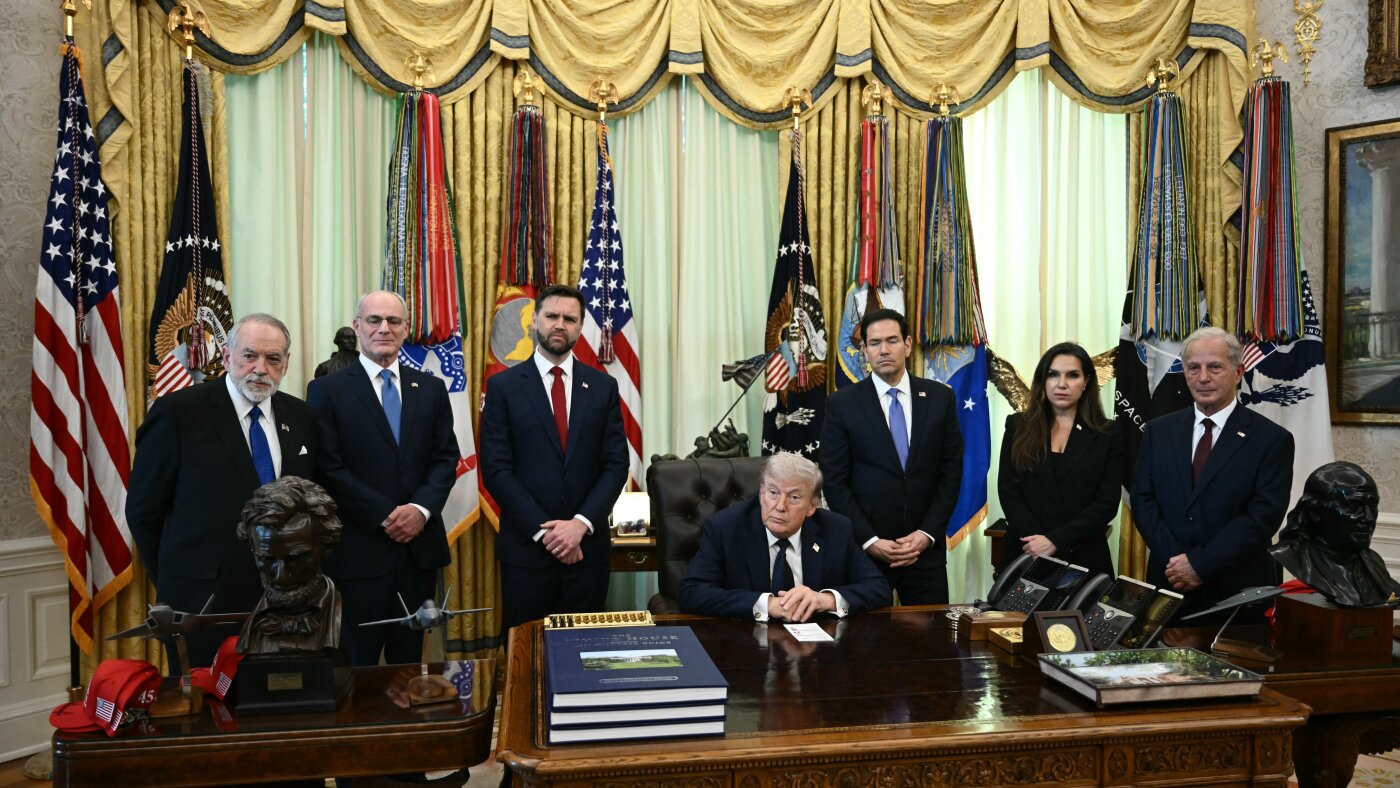
This immediate escalation follows closely on the heels of President Trump's optimistic announcement regarding an extended ceasefire between Israel and Lebanon. The rapid return to conflict so soon after a diplomatic breakthrough highlights the immense fragility of peace efforts in the region and the deep-seated complexities that continue to challenge stability.
For families and citizens monitoring these developments, the swift turn of events can be concerning. Hezbollah's decision to launch rockets into Israel, and Israel's subsequent retaliatory measures, underscore a continuing cycle of aggression that threatens to unravel painstakingly brokered agreements. These actions not only endanger civilian lives on both sides of the border but also send a clear signal about the formidable obstacles facing long-term peace.
Understanding the dynamics at play is crucial. Hezbollah, a powerful political and military force in Lebanon, is widely considered a proxy for Iran, a key player in broader regional power struggles. Israel, in turn, maintains a firm stance on its right to self-defense against any threats to its security. When these forces clash, the implications reverberate throughout the Middle East, impacting everything from humanitarian efforts to economic stability.
While diplomatic channels continue to work towards de-escalation, this incident serves as a critical reminder of the ever-present need for robust security strategies and an informed understanding of international relations. The path to lasting peace is arduous, often marked by setbacks, and requires sustained commitment from all parties involved to prevent further destabilization and protect innocent lives.
365 Intelligence
Hezbollah and Israel traded fire just hours after the ceasefire extension was announced, underscoring its fragility.
New hostilities between Hezbollah and Israel erupted swiftly following a recent ceasefire announcement, highlighting the immediate challenges to regional peace and stability.
April 25, 2026·Sentry365 News Team·1 min read