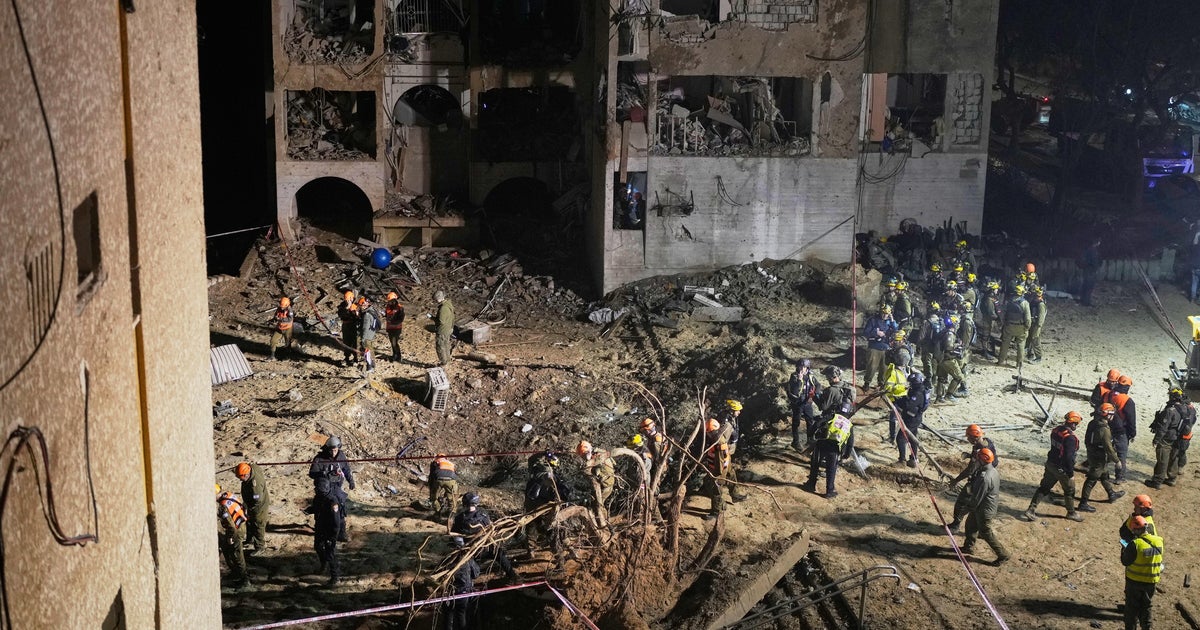
Recent reports confirm a grave development in the Middle East, as Iranian strikes impacted two communities in southern Israel, leaving at least 90 people wounded. This incident, occurring late Saturday near Israel's primary nuclear research center, marks a significant and concerning escalation in the ongoing regional tensions.
The targeted areas included Arad and Dimona, communities situated in close proximity to the Negev Nuclear Research Center. While initial reports do not indicate a direct hit on the nuclear facility itself, the sheer proximity of these attacks represents a critical first – never before have Iranian-launched projectiles landed so close to this highly sensitive site. The injuries sustained by dozens of civilians underscore the immediate human cost of these geopolitical maneuvers, bringing the conflict directly to residential areas.
This event transcends a mere exchange of fire. Targeting communities near a nuclear research center, irrespective of direct impact on the facility, sends a clear and potent message, escalating the conflict beyond traditional skirmishes. It highlights the growing volatility in the region and the potential for a dangerous trajectory that could destabilize an already fragile geopolitical landscape. For families and citizens globally, such incidents serve as a stark reminder of how rapidly regional conflicts can intensify, impacting civilian lives and potentially broader international security and economic stability.
From a security standpoint, the precision and intent behind these strikes warrant serious attention from global intelligence and defense communities. It necessitates a critical re-evaluation of existing defensive strategies and underscores the paramount importance of robust early warning systems and comprehensive civilian protection protocols in conflict-prone areas. The international community will undoubtedly be scrutinizing these developments closely, weighing the implications for non-proliferation efforts and the overarching framework of regional stability.
While the full repercussions of these unprecedented strikes are still unfolding, they undeniably mark a new, more dangerous chapter in the regional power struggle. Staying informed about these evolving global security dynamics is not merely for policymakers; it's essential for all of us to understand the complex forces shaping our world. Our commitment remains to provide clarity and authoritative insight into these critical issues, empowering our communities to be well-informed and resilient amidst global challenges.
365 Intelligence
Escalating Tensions: Iranian Strikes Near Israel's Nuclear Facility Raise Global Security Concerns
Iranian-launched projectiles struck communities near Israel's main nuclear research center, injuring at least 90 people and marking a significant escalation in Middle East tensions.
March 23, 2026·Sentry365 News Team·2 min read