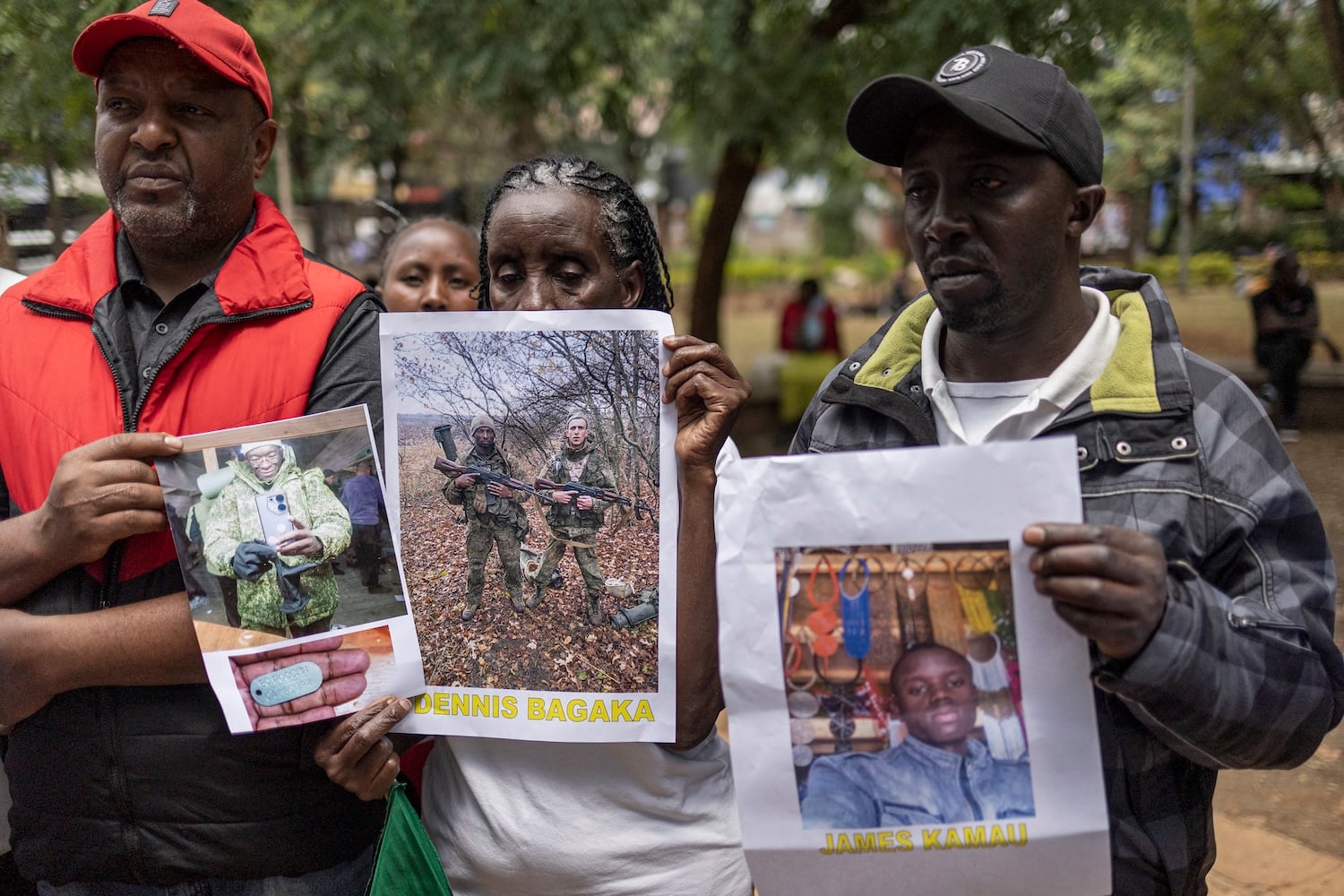
In a disturbing and escalating trend, individuals seeking better economic opportunities are increasingly becoming unwitting pawns in geopolitical conflicts. A stark example of this human cost is seen in the tragic story of Clinton Nyapara Mogesa, a Kenyan plumber whose pursuit of a new job led him from Qatar to Russia in October 2025, a journey shrouded in mystery and danger. His communication with his brother, Vincent, about this new opportunity hinted at an alarming trajectory that many others have unfortunately followed.
This is not an isolated incident. Across Kenya, and indeed other parts of Africa, sophisticated transnational networks are exploiting economic vulnerabilities and the desperate search for stable employment. These networks skillfully weave a web of deception, luring young men and women with enticing promises of lucrative jobs, often in construction, logistics, or other high-demand sectors in Russia. The reality, however, is a grim deception: these 'jobs' frequently serve as a cover for recruitment into military service, specifically to bolster forces engaged in the conflict in Ukraine.
The modus operandi of these schemes is insidious. Recruiters often operate with a veneer of legitimacy, using social media, local agents, and word-of-mouth to reach potential candidates. They paint pictures of high salaries, quick visas, and a path to financial stability, preying on those with limited options. What they omit are the critical details: the true nature of the work, the lack of proper legal protections, and the ultimate destination – the front lines of a foreign war.
Families often remain unaware of the true peril until it's too late. When loved ones disappear or cease regular communication, or when news emerges of their involvement in combat, the devastating truth unfolds. Repatriation efforts for those caught in these circumstances are often complex, fraught with bureaucratic hurdles, and emotionally draining for the families left behind, compounded by the profound grief and unanswered questions.
For our families, friends, and communities, vigilance is paramount. Understanding the risks associated with overseas job offers, especially those that seem too good to be true, is crucial. We urge everyone to:
* **Verify Offers Rigorously:** Always demand official contracts, verify company credentials, and cross-reference information with legitimate government employment agencies or embassies.
* **Be Skeptical of Unsolicited Offers:** High-paying jobs offered without proper interviews, background checks, or clear job descriptions should raise immediate red flags.
* **Consult Official Channels:** Seek advice from reputable organizations, legal experts, or government departments responsible for foreign employment before committing to any overseas contract.
* **Educate and Share:** Discuss these dangers with family members and friends, particularly those who may be actively seeking employment abroad.
The deceptive job schemes pulling individuals into Moscow’s war are a grave concern for human security and stability. By remaining informed, exercising caution, and collectively challenging these transnational networks of exploitation, we can better protect our loved ones and ensure that dreams of prosperity do not tragically transform into nightmares.
365 Intelligence
Deceptive job schemes and transnational networks are pulling Kenyans into Moscow’s war.
A disturbing trend reveals how deceptive job offers and intricate transnational networks are ensnaring Kenyan citizens, luring them into unforeseen and perilous roles within Moscow's war efforts.
May 6, 2026·Sentry365 News Team·2 min read