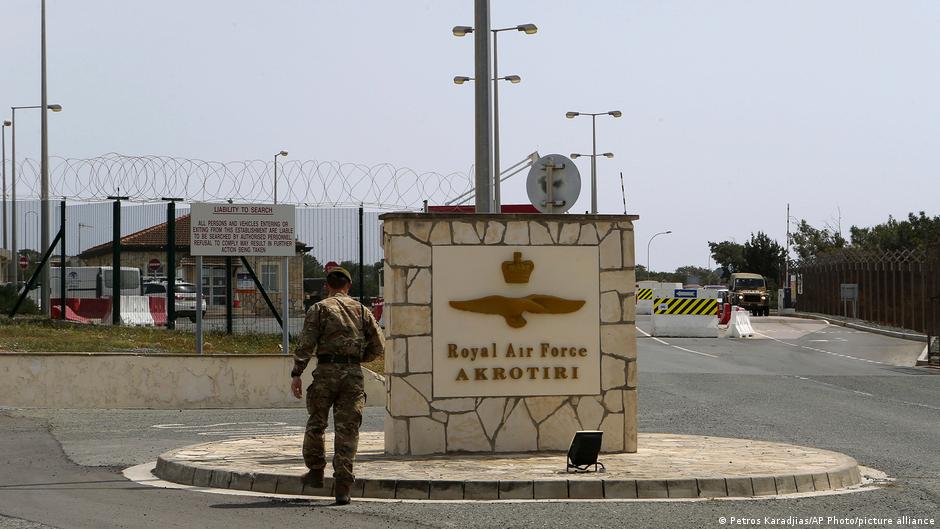
The sun-drenched shores of Cyprus, a jewel of the Mediterranean, often evoke images of tranquil holidays and ancient history. Yet, beneath this serene surface, a pivotal discussion is unfolding—one that intertwines colonial legacy with modern security challenges, impacting not just the island nation but regional stability. At its heart are the United Kingdom's Sovereign Base Areas (SBAs), RAF Akrotiri and Dhekelia, established over six decades ago as part of Cyprus's independence agreement.
For generations, these bases have been a discreet but powerful presence, a subtle reminder of the island’s British past, evident in everything from driving on the left to specific power outlets. However, their strategic importance has been dramatically spotlighted by escalating tensions in the Middle East. The recent drone incident in early March serves as a stark reminder of the volatile neighborhood. An Iranian reconnaissance drone, reportedly shot down by French forces near RAF Akrotiri, was more than just a momentary disturbance; it was a clear signal that the conflicts brewing elsewhere are now dangerously close to Cypriot shores.
This incident has rekindled a long-simmering debate among Cypriots. While the UK views its bases as vital for national security, counter-terrorism efforts, intelligence gathering, and humanitarian aid operations in the Middle East—playing a crucial role in regional stability—many Cypriots perceive them differently. There's a growing sentiment that the island is being involuntarily drawn into conflicts it has no stake in. This isn't just a political talking point; it's a genuine concern for families and citizens who worry about the potential for their home to become a target or a flashpoint.
The discussions center on several critical fronts: sovereignty, security, and economic impact. Critics argue that the continued presence of the bases, governed by a treaty over sixty years old, compromises Cyprus's full sovereignty, effectively turning it into a forward operating base for foreign powers. This perception is particularly strong among younger generations who see the bases less as a historical arrangement and more as a present-day liability.
From a security perspective, the rapid evolution of drone technology and advanced weaponry means that geographical distance no longer guarantees immunity. The drone incident underscored that even a neutral nation can find itself entangled in complex geopolitical maneuvers simply by virtue of its location and the presence of foreign military assets. For families, this translates into a heightened awareness of risk, impacting everything from tourism prospects to the sense of everyday safety.
Economically, while the bases provide some employment and infrastructure, many feel the benefits do not outweigh the potential risks or the lost opportunities for land development and environmental conservation. Calls for a "frank discussion," as articulated by Cypriot President Nikos Christodoulides, reflect a broad desire across the political spectrum to renegotiate the terms of the 1960 treaty or even explore the possibility of the bases' eventual removal.
The path forward is complex. It demands a delicate balance between respecting historical agreements, upholding national sovereignty, and ensuring collective security in an increasingly interconnected and volatile world. For families, businesses, and middle-class citizens, this discussion isn't abstract; it's about their future, their security, and their nation's place on the global stage. It’s a call for dialogue, transparency, and a modern understanding of security that prioritizes the well-being and sovereign aspirations of the Cypriot people.
365 Intelligence
Cyprus wants a "frank discussion" about the future of UK bases. A drone incident in early March has blown open old debates across this de facto divided island.
A recent drone incident near UK military bases in Cyprus has ignited a critical debate about the island's sovereignty, its role in regional security, and the enduring legacy of colonial agreements.
March 25, 2026·Sentry365 News Team·2 min read