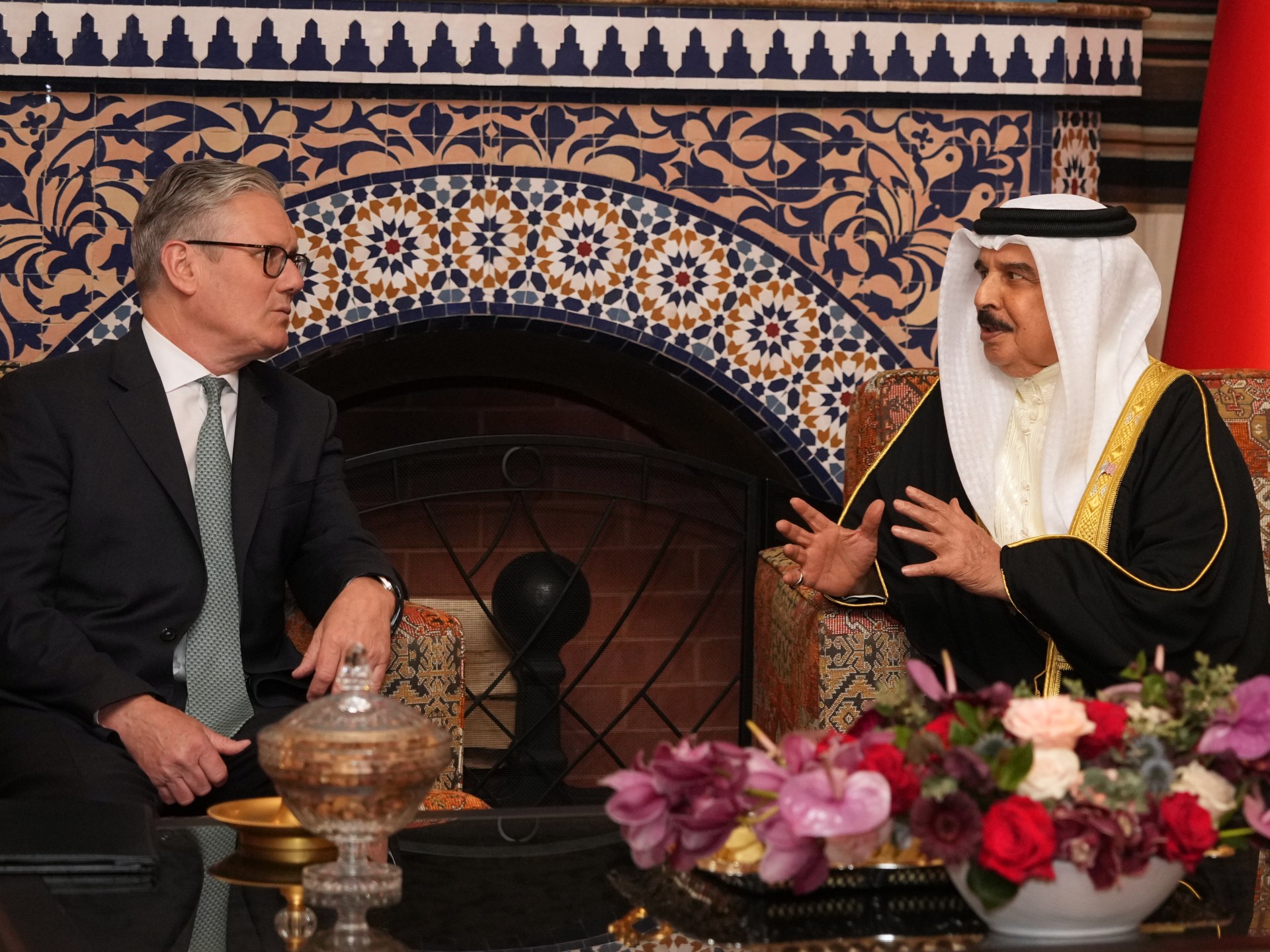
When UK Prime Minister Keir Starmer recently visited the Gulf, his message was unequivocal: Britain was poised to re-engage as a vital, stabilising diplomatic force in a region once again teetering on the brink. This declaration aimed to signal a renewed commitment to peace and partnership, asserting Britain's readiness to play a constructive role.
However, the reality on the ground, as observed by many regional experts and political analysts, presents a far more complex picture. While diplomatic overtures are always noted, the true measure of influence in the Middle East is often weighed against a nation's historical record and its present actions, rather than just its intentions or rhetoric. The sentiment among many in the region suggests a profound skepticism that Britain can simply declare its return to a position of authority without first addressing the significant erosion of trust built over decades.
The core challenge lies in a perceived disconnect between what is said and what is done. For many in the Middle East, Britain's past interventions, its often inconsistent application of international law, and its perceived alignment with specific geopolitical interests have created a legacy that overshadows current diplomatic efforts. This becomes particularly stark in the context of ongoing conflicts, where Britain's stance is often viewed through a lens of historical precedent and perceived bias, regardless of current government pronouncements.
When a nation's actions are seen to contradict its stated values – particularly concerning humanitarian issues, peace, and security – its credibility suffers. This isn't merely a matter of political optics; it directly impacts the ability to foster genuine cooperation, mediate disputes, and contribute effectively to resolving crises that affect millions of families. The foundational principle of trust, whether between individuals or nations, requires consistency and integrity. When these are absent, even the most well-intentioned words can fall flat.
Rebuilding influence and trust in a region as intricate and historically rich as the Middle East demands more than just diplomatic visits and eloquent speeches. It necessitates a foreign policy rooted in consistent principles, a clear and equitable commitment to international law for all parties, and a willingness to acknowledge and learn from past actions. Only when words are consistently matched by principled actions can a nation truly hope to regain the respect and collaborative spirit essential for genuine stabilization and long-term peace.
365 Intelligence
Britain's PM visited the Gulf and said many of the right things. But when you do the wrong things, words don't matter.
Despite UK Prime Minister Keir Starmer's message of Britain's return as a stabilizing force in the Gulf, deep-seated regional skepticism stemming from past actions and current policies suggests that…
April 11, 2026·Sentry365 News Team·2 min read