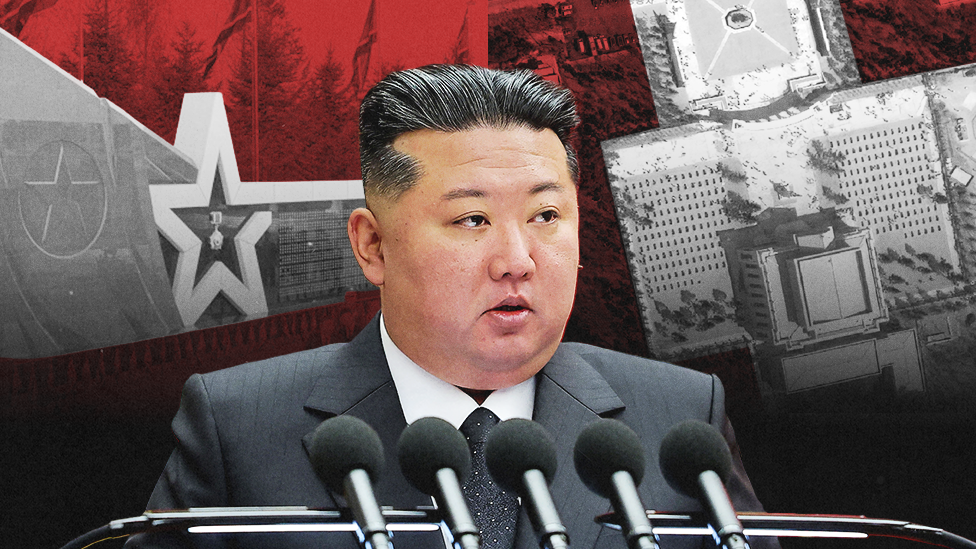
The global landscape of conflict is complex, often involving clandestine operations and hidden alliances. A recent BBC investigation has brought to light a stark and concerning revelation: an estimated 2,300 North Korean soldiers have reportedly died fighting for Russia in Ukraine. This staggering figure is part of a larger deployment, with intelligence suggesting that around 11,000 North Korean personnel were dispatched to the conflict zone.
This information, uncovered through meticulous analysis of satellite images and official photographs of a newly constructed memorial in Pyongyang, pierces through the veil of secrecy surrounding North Korea's involvement. For months, both Russia and North Korea have vehemently denied any such deployments, framing reports as Western propaganda. However, the evidence now appears undeniable, corroborated by South Korean intelligence agencies and expert analysis.
**Why North Korea's Involvement Matters**
The deployment of North Korean troops, often referred to as "storm units," is driven by a convergence of needs and strategic objectives. For Russia, facing persistent manpower challenges and seeking to bolster its forces along the extensive front lines in Ukraine, these soldiers represent a readily available, albeit poorly trained, contingent. They are reportedly being used to fill gaps, provide logistical support, and potentially engage in direct combat in high-risk areas.
For North Korea, the motivations are primarily economic and geopolitical. The cash-strapped regime under Kim Jong Un stands to gain significant financial remuneration, providing much-needed hard currency in defiance of stringent international sanctions. Furthermore, this military cooperation deepens its strategic alliance with Russia, offering a valuable lifeline as the hermit kingdom seeks to circumvent global isolation and secure military technology and resources.
**The Human Cost: Cannon Fodder on the Front Lines**
The reports paint a grim picture of the conditions faced by these North Korean soldiers. Many are said to be conscripts, hastily prepared and inadequately equipped, often supplied with outdated gear and minimal training. Eyewitness accounts and intelligence suggest they are being deployed to some of the most perilous sectors of the front, leading to exceptionally high casualty rates. They are, tragically, serving as expendable assets in a foreign conflict, enduring severe conditions with limited support. This sacrifice highlights the profound human cost of geopolitical maneuvering and the desperate measures taken by an isolated regime.
**Breaching International Norms and Sanctions**
North Korea's direct military involvement in the conflict represents a significant breach of international law and multiple United Nations Security Council resolutions. These resolutions explicitly prohibit North Korea from exporting or importing military equipment and engaging in arms trade. The deployment of troops, especially those directly involved in combat, constitutes a flagrant disregard for these international norms, further destabilizing global security and undermining efforts to curb proliferation.
**Looking Ahead**
The revelation of North Korean soldiers dying in Ukraine adds another layer of complexity to an already volatile geopolitical situation. It underscores the deepening ties between authoritarian regimes and raises serious questions about accountability and humanitarian protection. For families and citizens worldwide, this serves as a stark reminder of how far-reaching the impacts of distant conflicts can be, influencing international relations, economic stability, and the very fabric of global security. Understanding these developments is crucial as we navigate an increasingly interconnected and unpredictable world.
365 Intelligence
An estimated 11,000 North Korean soldiers were sent to fight in Russia's war against Ukraine.
A BBC investigation reveals an estimated 2,300 North Korean soldiers have died fighting for Russia in Ukraine, part of an estimated 11,000 deployed, highlighting critical geopolitical and humanitaria…
May 10, 2026·Sentry365 News Team·2 min read