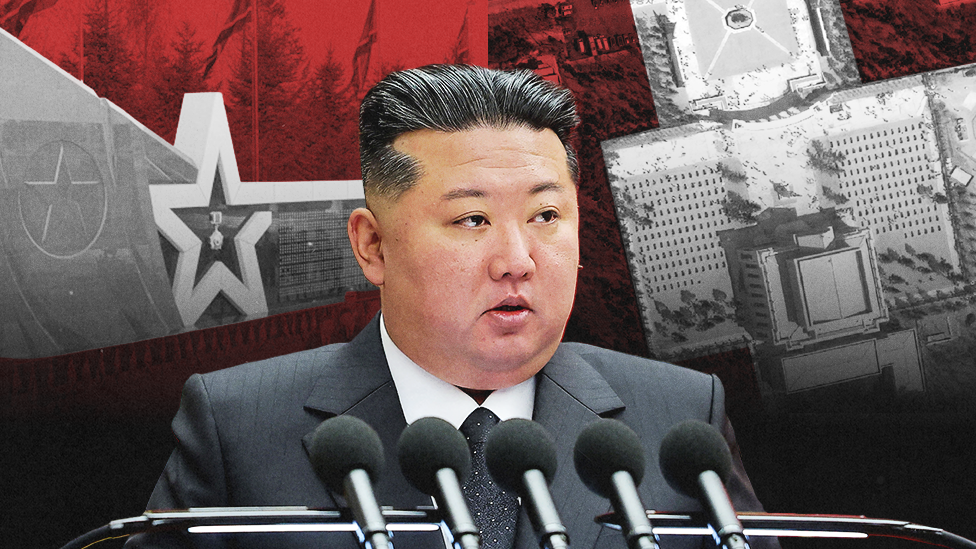
In an unsettling revelation that underscores the shifting landscape of global conflicts, a recent BBC investigation, leveraging cutting-edge satellite technology and painstaking analysis, has brought to light the grim reality of North Korean soldiers fighting and dying in Russia's war against Ukraine. The investigation indicates that approximately 2,300 North Korean soldiers have perished on the front lines, part of a larger contingent estimated at around 11,000 troops deployed by Pyongyang to support Moscow.
This development is not merely a footnote in an ongoing conflict; it represents a profound and dangerous escalation of international cooperation between two isolated states, carrying significant implications for global security and stability. For families and citizens observing world events, understanding the mechanisms behind such deployments is crucial. The BBC's methodology, utilizing high-resolution commercial satellite imagery to track troop movements and logistical supply chains from North Korean ports to Russian military hubs, combined with meticulous examination of official North Korean state media photos of a newly erected "Patriotic Martyrs" memorial in Pyongyang—a rare acknowledgment of foreign combat deaths—provides compelling evidence of this deeply troubling alliance.
The motivations behind this partnership are stark. For North Korea, it is a desperate bid for economic survival and military advancement. In exchange for providing crucial manpower and a steady supply of artillery shells and other weaponry, Pyongyang reportedly receives vital financial aid, food, oil, and potentially advanced military technologies, including satellite and submarine capabilities, from Moscow. For Russia, facing persistent manpower shortages and a relentless demand for war matériel, North Korean troops and armaments offer a means to sustain its military efforts without further straining its own domestic resources or political will.
However, the human cost is immeasurable. These North Korean soldiers are often conscripted under extreme duress, with limited choice and facing dire conditions on the battlefield. Their families back home may never fully comprehend the circumstances of their deployment or their ultimate fate. This tragic reality highlights the moral quandary of international conflicts where vulnerable populations are exploited for geopolitical gain.
The involvement of North Korean forces deepens concerns about adherence to international law and humanitarian principles. It signifies a dangerous erosion of global norms, as nations openly disregard sanctions and engage in activities that prolong conflict and inflict widespread suffering. For our community, understanding these complex alliances is paramount to appreciating the broader security landscape we inhabit. This emerging axis between Russia and North Korea is not just a distant geopolitical maneuver; it is a clear indicator of evolving threats and the imperative for continued vigilance and informed discourse on international affairs. As we navigate an increasingly interconnected world, staying informed about such critical developments becomes an essential part of safeguarding our collective future.
365 Intelligence
An estimated 11,000 North Korean soldiers were sent to fight in Russia's war against Ukraine.
A BBC investigation reveals an estimated 2,300 North Korean soldiers have died fighting for Russia against Ukraine, part of an 11,000-strong deployment with significant implications for global securi…
May 9, 2026·Sentry365 News Team·2 min read