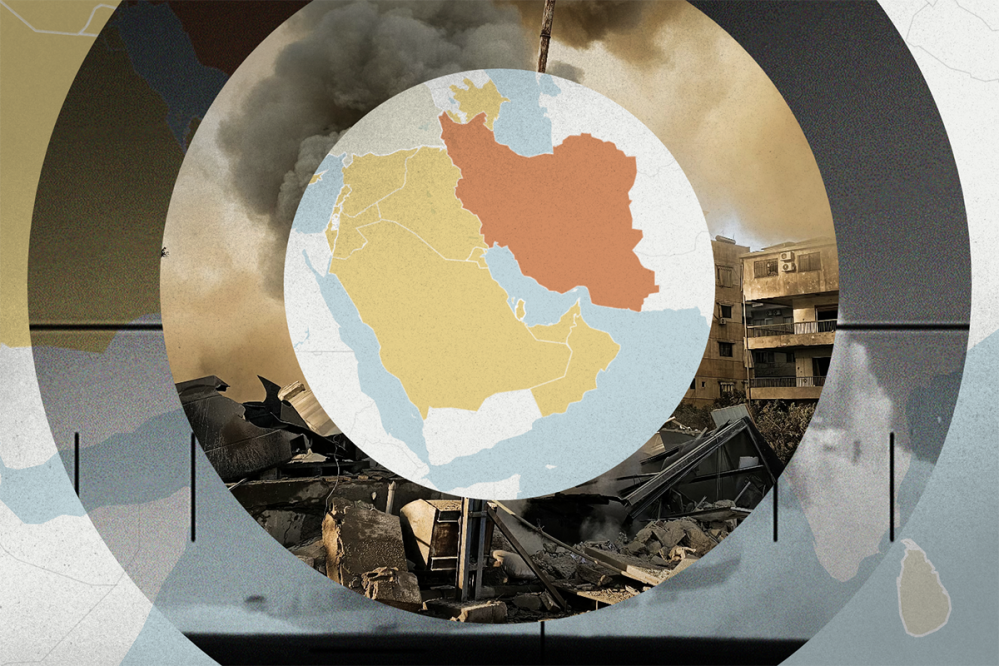
The geopolitical landscape has shifted dramatically since February 28, when the United States and Israel initiated military action against Iran. What began as a targeted conflict has, in a remarkably short span, metastasized into a wider regional crisis, engaging a growing list of nations and sending ripples of instability across the globe. For families, businesses, and citizens alike, understanding the rapid evolution of this conflict is paramount to grasping its potential impacts.
Here’s a clear, country-by-country overview of how this critical situation has unfolded and drawn in key players:
**Iran: The Epicenter of Conflict**
The initial focus remains on Iran, targeted by U.S. and Israeli forces. The strategic objectives appear to involve degrading Iran's nuclear program capabilities, curbing its regional influence, and neutralizing its proxy networks. Tehran's response has been multifaceted, ranging from direct retaliatory strikes to activating its network of allied groups across the region, escalating the intensity of the conflict.
**Syria: A Battleground Re-ignited**
Syria, already fractured by years of civil war, has quickly become a significant front. Iranian-backed militias and assets within Syrian territory have become primary targets for U.S. and Israeli airstrikes. In response, Syrian air defense systems have been activated, and reports indicate increased military movements by various factions, further destabilizing a nation already reeling from protracted conflict.
**Iraq: Precarious Balance Tested**
The presence of U.S. forces in Iraq, coupled with influential pro-Iranian militia groups, has placed Iraq in an acutely precarious position. Attacks on U.S. installations have reportedly escalated, prompting retaliatory actions. The Iraqi government faces immense pressure to maintain sovereignty and prevent its territory from becoming a battleground for external powers, a challenge compounded by its own internal political complexities.
**Lebanon: Hezbollah on High Alert**
Lebanon’s powerful Shiite political party and militant group, Hezbollah, a key Iranian ally, has been placed on high alert. Reports suggest increased skirmishes and cross-border exchanges with Israeli forces along Lebanon’s southern frontier. A full-scale engagement involving Hezbollah would open a devastating northern front for Israel and further destabilize Lebanon, a nation already struggling with severe economic and political crises.
**Yemen: Houthi Aggression Amplified**
The Iran-backed Houthi movement in Yemen has leveraged the wider conflict to intensify its aggression, particularly against international shipping lanes in the Red Sea. Attacks on commercial vessels, justified by the Houthis as solidarity with regional allies, have surged, necessitating a bolstered international naval presence and disrupting global trade routes, which in turn impacts supply chains and energy costs worldwide.
**Saudi Arabia and the UAE: Heightened Regional Vigilance**
Key Gulf allies like Saudi Arabia and the United Arab Emirates, traditional rivals of Iran, are experiencing heightened security alerts. While not directly engaged in the fighting, their strategic oil infrastructure and proximity to the conflict zone make them vulnerable to potential retaliatory strikes from Iran or its proxies. Diplomatic efforts are reportedly underway to de-escalate tensions, but the risk of wider regional entanglement remains a significant concern.
**Global Implications: Beyond the Middle East**
The rapid spread of this conflict carries profound global implications. Energy markets have reacted volatilely, with oil prices surging amidst fears of supply disruptions from the Persian Gulf, a critical choke point for global energy transit. International diplomacy is strained, and the prospect of a larger, intractable conflict with far-reaching economic and humanitarian consequences looms. Families and businesses everywhere should remain informed about these developments, as they can directly affect everything from daily living costs to global stability.
Understanding the evolving nature of this conflict, its key players, and its geographic reach is crucial for navigating the uncertainties ahead. Our commitment is to provide clear, authoritative insights to help you comprehend these complex security challenges.
365 Intelligence
A country-by-country breakdown on how the war has spread.
March 11, 2026·Sentry365 News Team·3 min read